Lake District Hub

Lake District Hiking Guide

I’ve been visiting the Lakes ever since I can remember. I must have been about six when I climbed my first fell!

Over the years, I’ve built up a mix of detailed route guides and practical planning posts. On this page, you’ll find all of my Lake District content in one place, including fell walks, lake loops, itineraries, transport advice, and tips on choosing where to stay.

Notes & Personal Stories

Reflections, stories, and opinions from the time I have spent in the Lakes.
Final thoughts

FAQs

Answering some of the questions I get most often.

May, June, and September usually offer the best balance of longer days, manageable crowds, and decent walking conditions. May and September are my personal favourite times to visit.

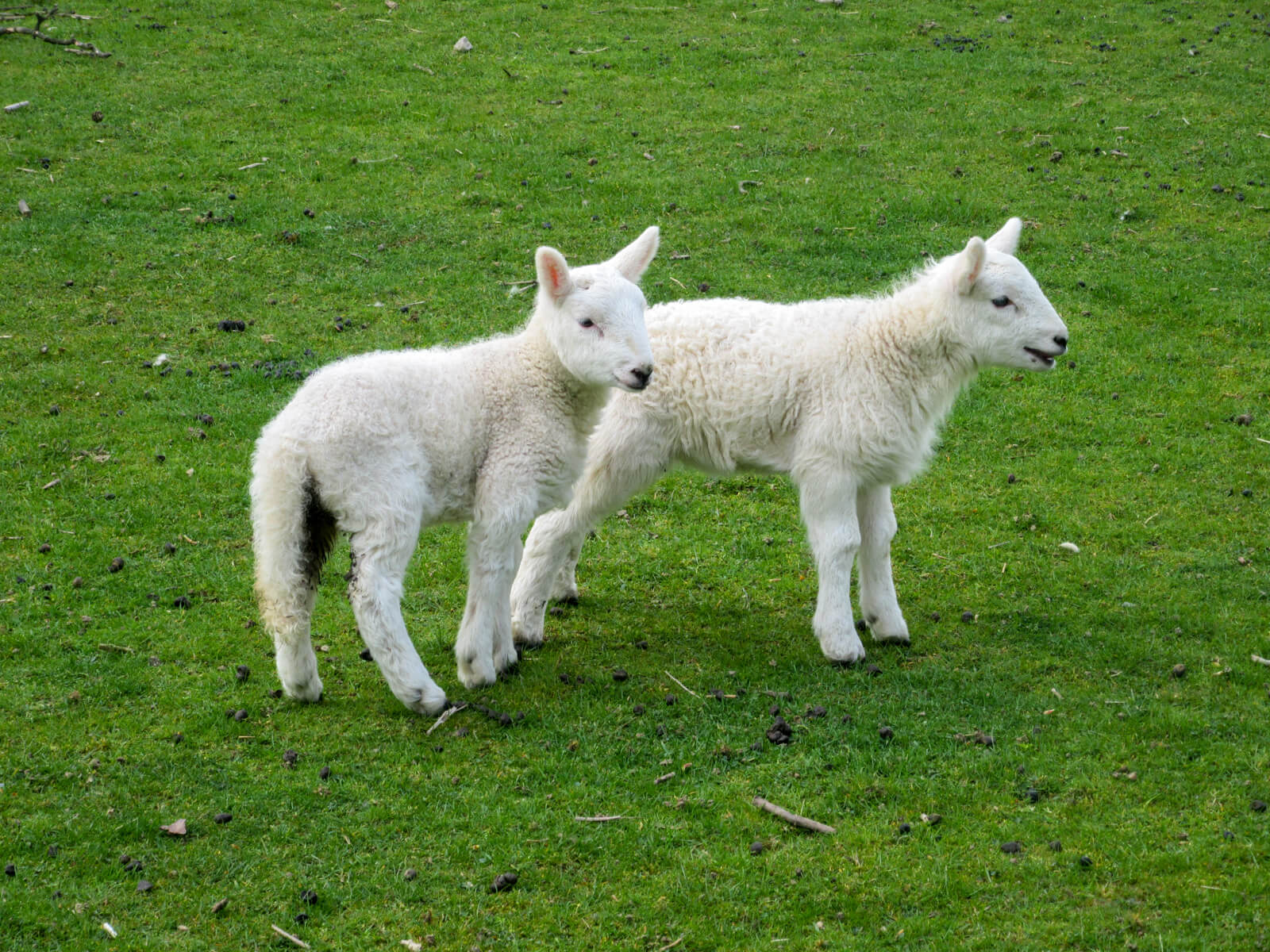
May brings baby lambs, lush green landscapes, and lovely wildflowers; September has many of the benefits of summer but with fewer crowds than July and August.

I have a whole post on choosing the best time to visit, which might be useful.

If you absolutely love walking, you could probably spend years here without getting bored.

I think a long weekend is the bare minimum needed, but a week would be better. This gives you enough time to get in a few decent walks and enjoy the area.

Check out my four-day itinerary based in Keswick.

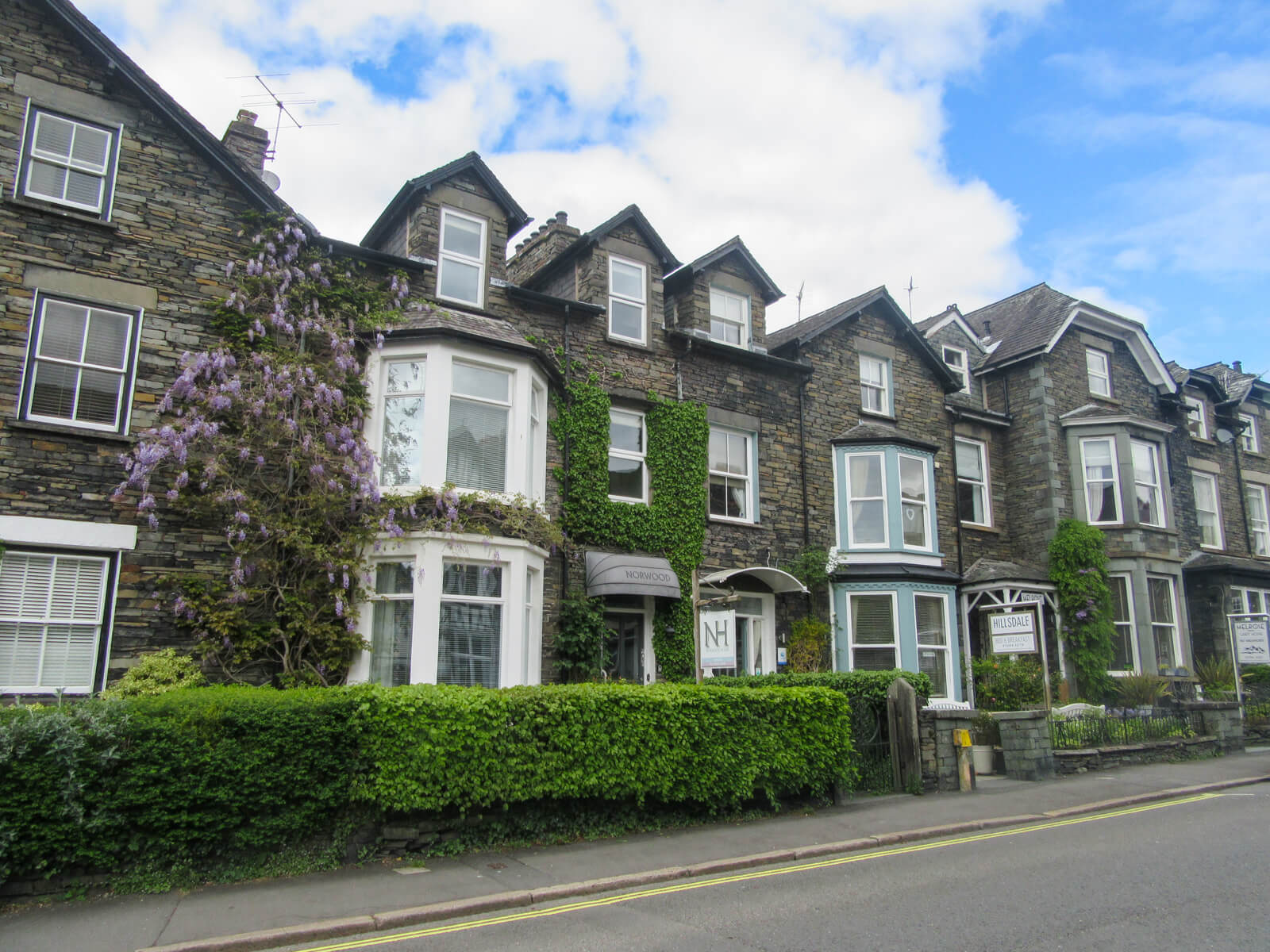
Absolutely! I’d recommend staying somewhere like Keswick or Ambleside, as they’re well-positioned on the bus network. You won’t be able to visit every remote valley, but you’ll still be able to see a lot and access plenty of walks.

Check out my full guide on how to visit the Lakes without a car for more.

I personally prefer Keswick for its access to Borrowdale, Buttermere, and the northern fells, which I think contain some of the Lake District’s most beautiful scenery. I am biased though.

However, Ambleside is better connected for exploring Grasmere, Langdale, and the central Lakes, and is a more convenient base for exploring more of the national park.

I think Keswick is better if you want lots of hiking, whereas Ambleside is better for more variety and sightseeing.

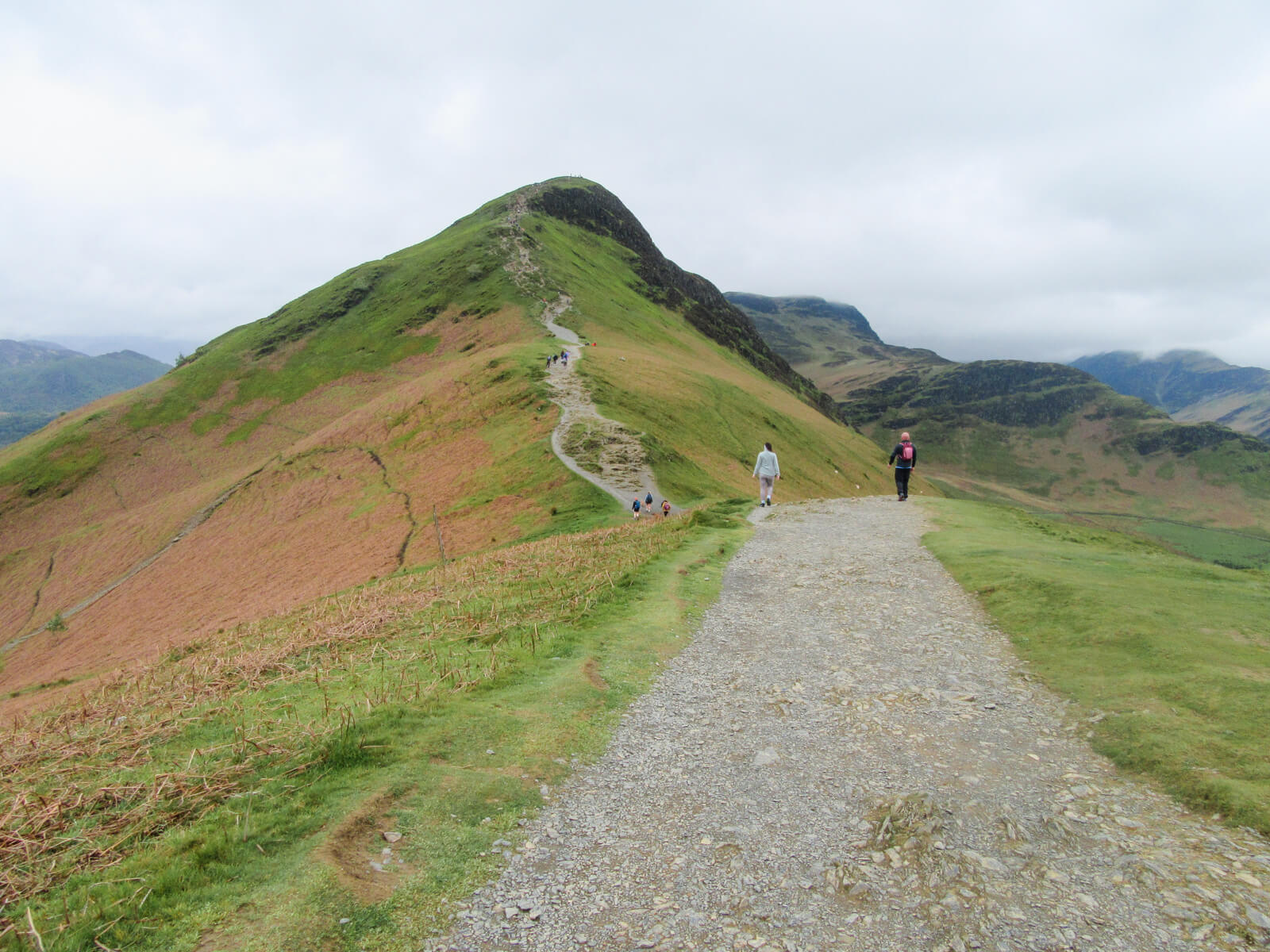
Catbells is a good first Lake District mountain if you are reasonably fit and comfortable with steep, rocky paths. It’s sort of a rite of passage for Catbells to be your first fell!

Alternatively, I would recommend Latrigg, which is easier than Catbells, but feels less “mountain.” Or there’s Walla Crag, which is about the same difficulty as Catbells, but without as many crowds.

If you’re planning to go up into the higher fells and onto rougher routes, then yes, you really do. Lake District paths are often rocky, muddy, uneven, and slippery. Footwear with poor grip or inadequate ankle support will increase the risk of falls and injuries, particularly on steep descents.

Trainers are fine for walks on flatter terrain, but I’d really recommend hiking boots or at least sturdy trail shoes for going up into the hills.

As the highest mountain in England, Scafell Pike is a physically demanding fell involving sustained climbing, rocky terrain, and potentially difficult navigation in poor visibility.

There are many routes up to Scafell Pike, with the easiest being the route from Lake Head car park in Wasdale. It’s the shortest route, but it’s still a steep and rocky climb that takes around five to six hours.

My favourite route up to Scafell Pike is the Corridor Route. It’s more challenging than the route from Wasdale, with a bit of scrambling, but a lot more varied and scenic.

Helvellyn is a strenuous walk, although the difficulty varies significantly by route.

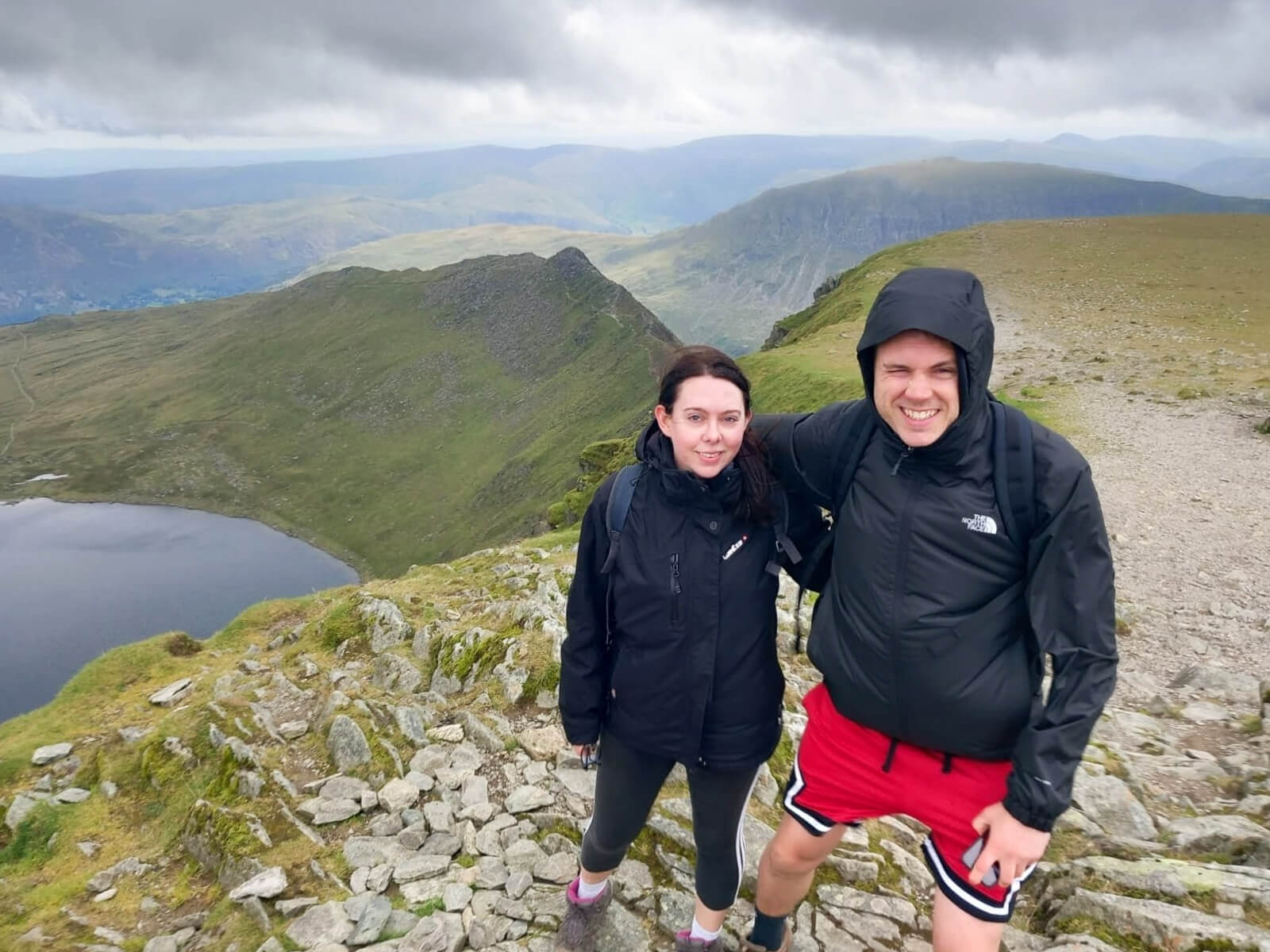
The most famous route for Helvellyn is via Striding Edge, which involves exposed scrambling along a ridge. This requires a head for heights and experience with scrambling and exposure. I’ve never had the bottle to try Striding Edge.

The route from Thirlmere is easier because it avoids exposed ridges, although it still involves a long, steep climb. This is the route I usually take for Helvellyn, and the ascent makes for a very decent workout.

It’s hard to pick a single favourite, so I’ll do my top three.

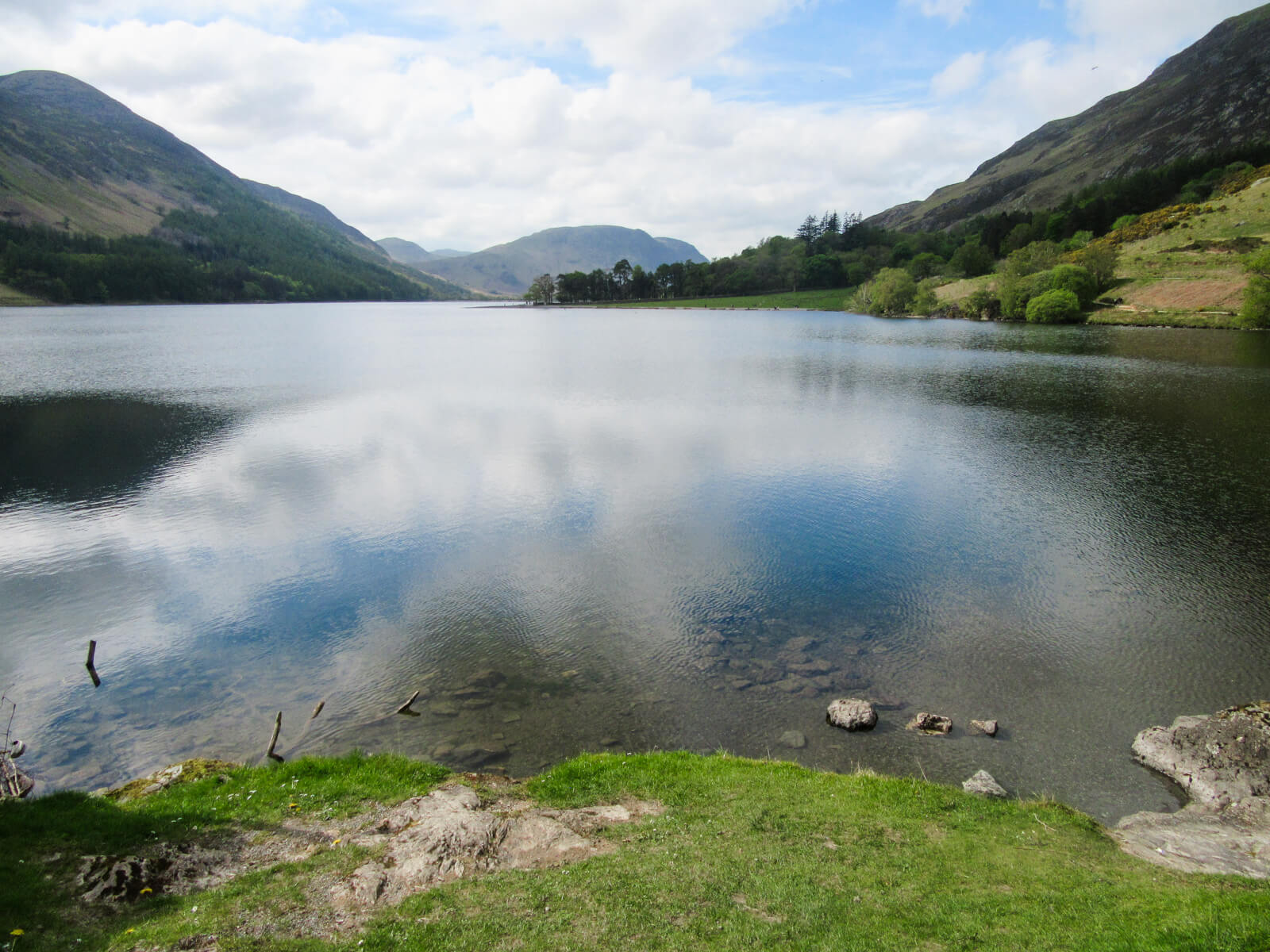
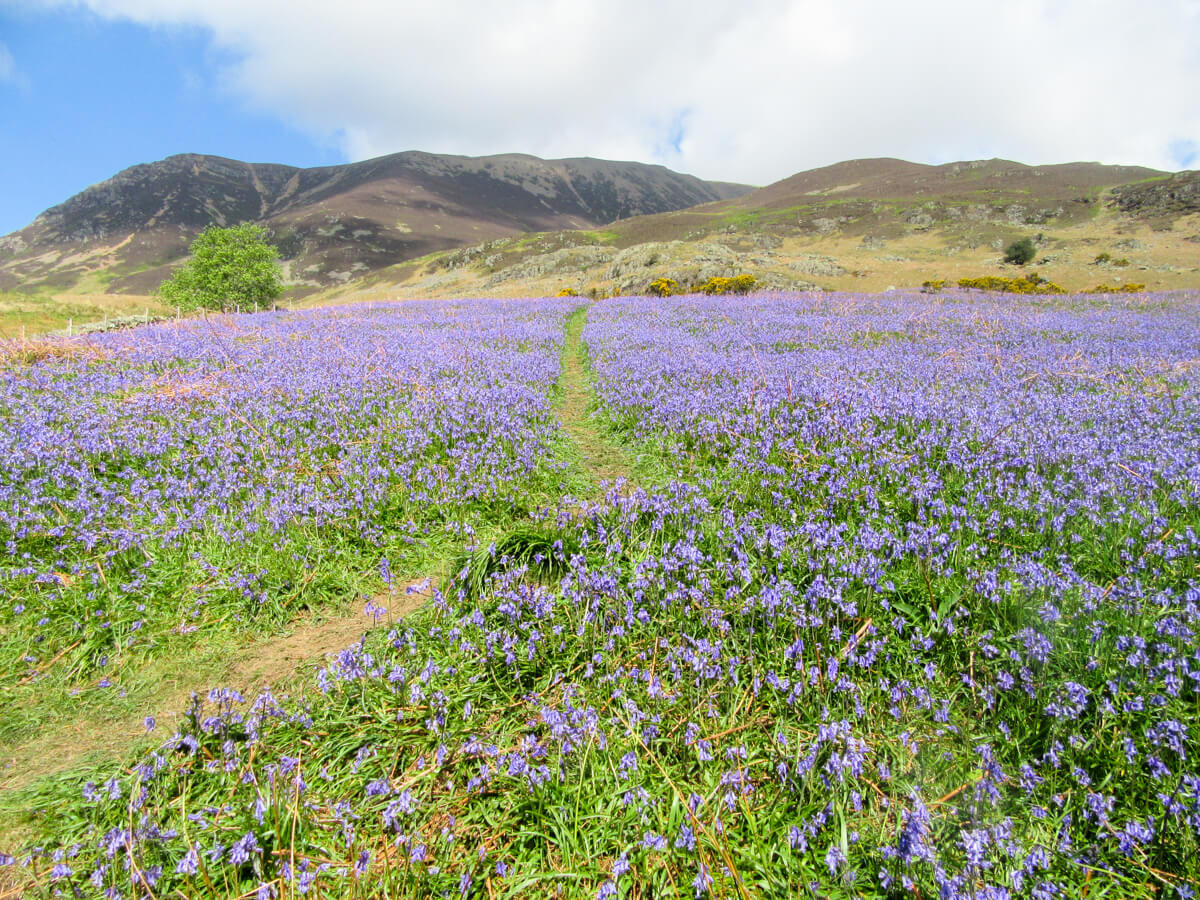
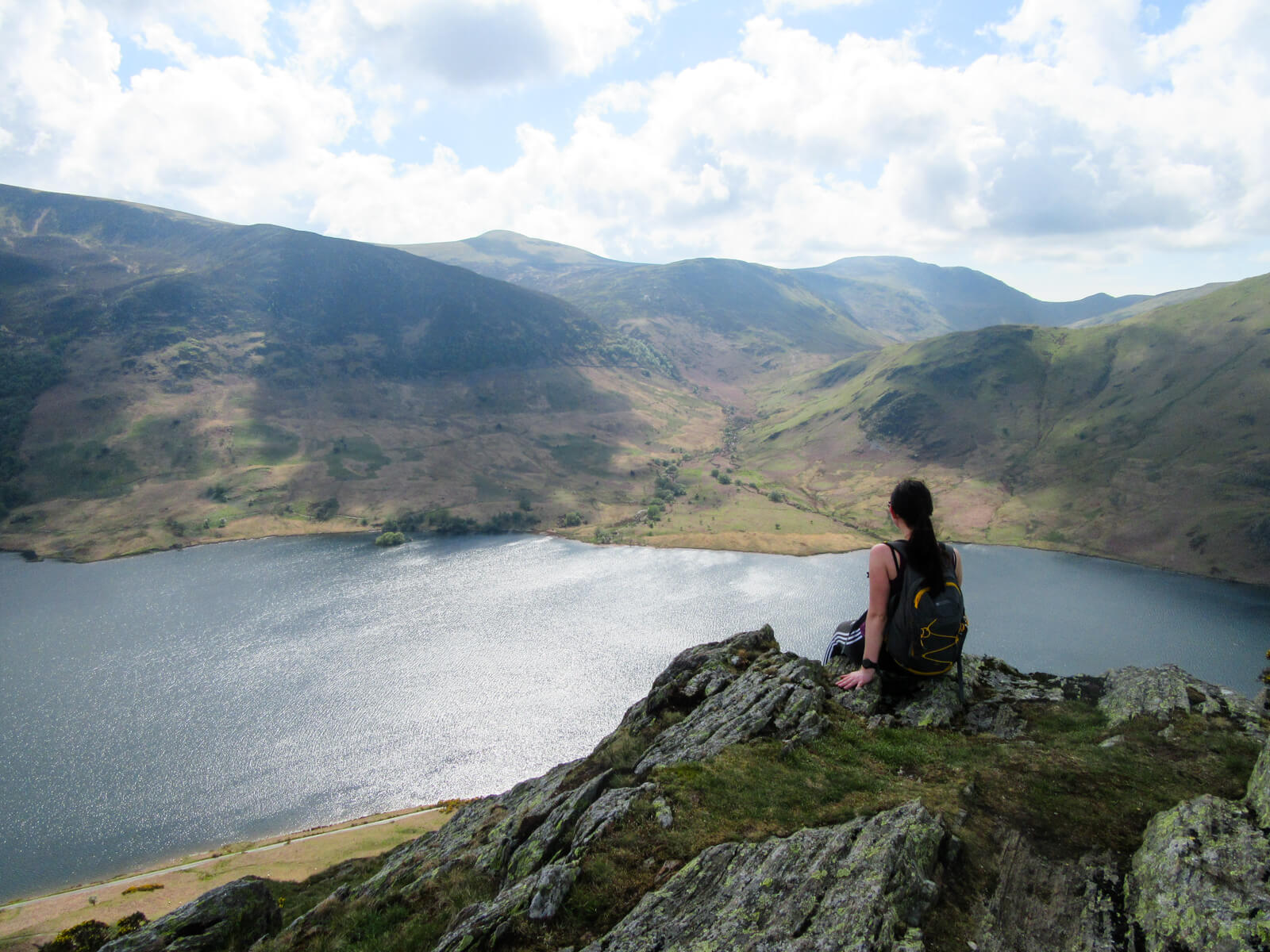
Rannerdale Knotts: A relatively short walk with a fantastic return on effort, especially when the bluebells are out in springtime. The views over Crummock Water and Buttermere are beautiful the entire way.

Helvellyn from Thirlmere: This is my go-to route when I want a challenging day out. The climb is steep and tiring, making reaching the summit very rewarding. The descent back towards Thirlmere is stunning, as well.

Haystacks & Buttermere: Rocky paths, tarns, lakeside trails, and wonderful views over Buttermere. This challenging route has loads of variety and character.