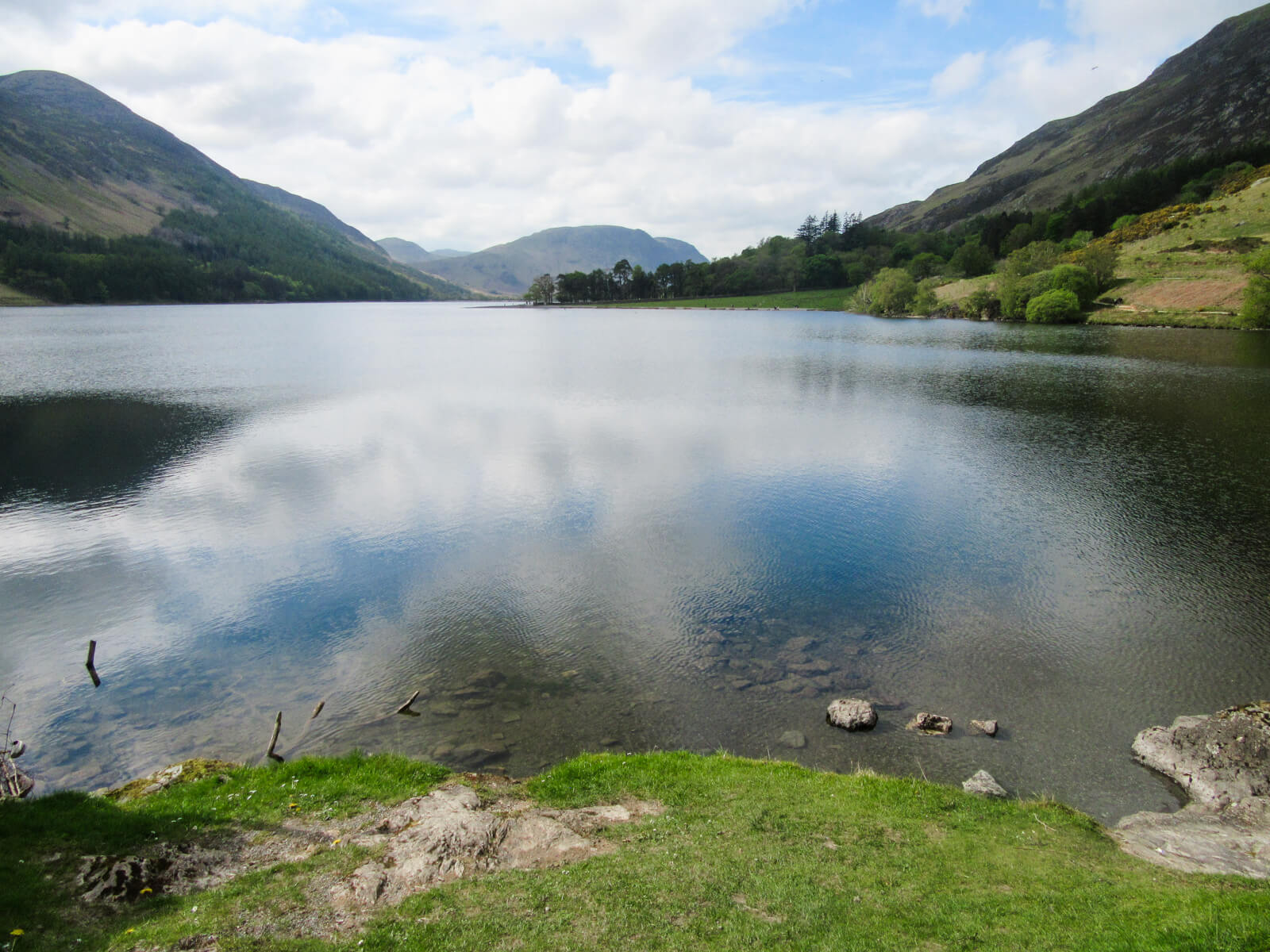
The Best Time To Visit The Lake District: A Seasonal Guide

The best time to visit the Lake District depends a lot on what kind of trip you want. Warm weather and long hiking days? Quiet trails and cosy pubs? Spring flowers and baby lambs? Autumn colours? You can make a case for every season. This part of the world is beautiful all year round.
But there’s one thing to keep in mind: the Lake District is the wettest region in England. Its many lakes didn’t appear by accident, and the weather here is famous for not playing ball.
What that means in practical terms is that there is no real way to predict what the weather might do. You could arrive in June and spend a week hiking in drizzle, then come back in October and get crisp blue skies every day. In my opinion, though, that unpredictability is part of what gives the Lake District its character.
So rather than promising certainty, this guide will give you a good overview of what kind of weather and seasonal quirks you can *generally* expect in the Lake District month to month.

Quick answer: When should you go?
Lowest rainfall: April and May
Warmest weather: July and August
Least crowds: January and November
Best wildlife: April and May
Best scenery: May and October
Best for hiking: May and September
Best overall: May and June

Lake District Weather by month
These figures are approximate regional averages (the Lake District varies a lot by valley vs high fells), but they give you an indication of what to expect.
| Month | Low / High (°C) | Rainfall (mm) |
| Jan | 1° / 6° | 146 |
| Feb | 1° / 6° | 93 |
| Mar | 2° / 8° | 121 |
| Apr | 3° / 11° | 82 |
| May | 6° / 15° | 85 |
| Jun | 9° / 17° | 89 |
| Jul | 11° / 19° | 97 |
| Aug | 11° / 18° | 123 |
| Sep | 9° / 16° | 146 |
| Oct | 7° / 13° | 160 |
| Nov | 3° / 9° | 157 |
| Dec | 1° / 7° | 156 |
Spring (March to May)
Early spring (March to mid-April) can feel quite bleak, especially after a long UK winter. Trees are bare, the ground is often boggy, and the weather can be unpredictable. That said, you’ll get quieter trails, and on a clear day, it can be wonderful hiking conditions.
By late April, things tend to shift. The hills turn green again, wildflowers start appearing, and you get longer daylight hours without the summer crowds.
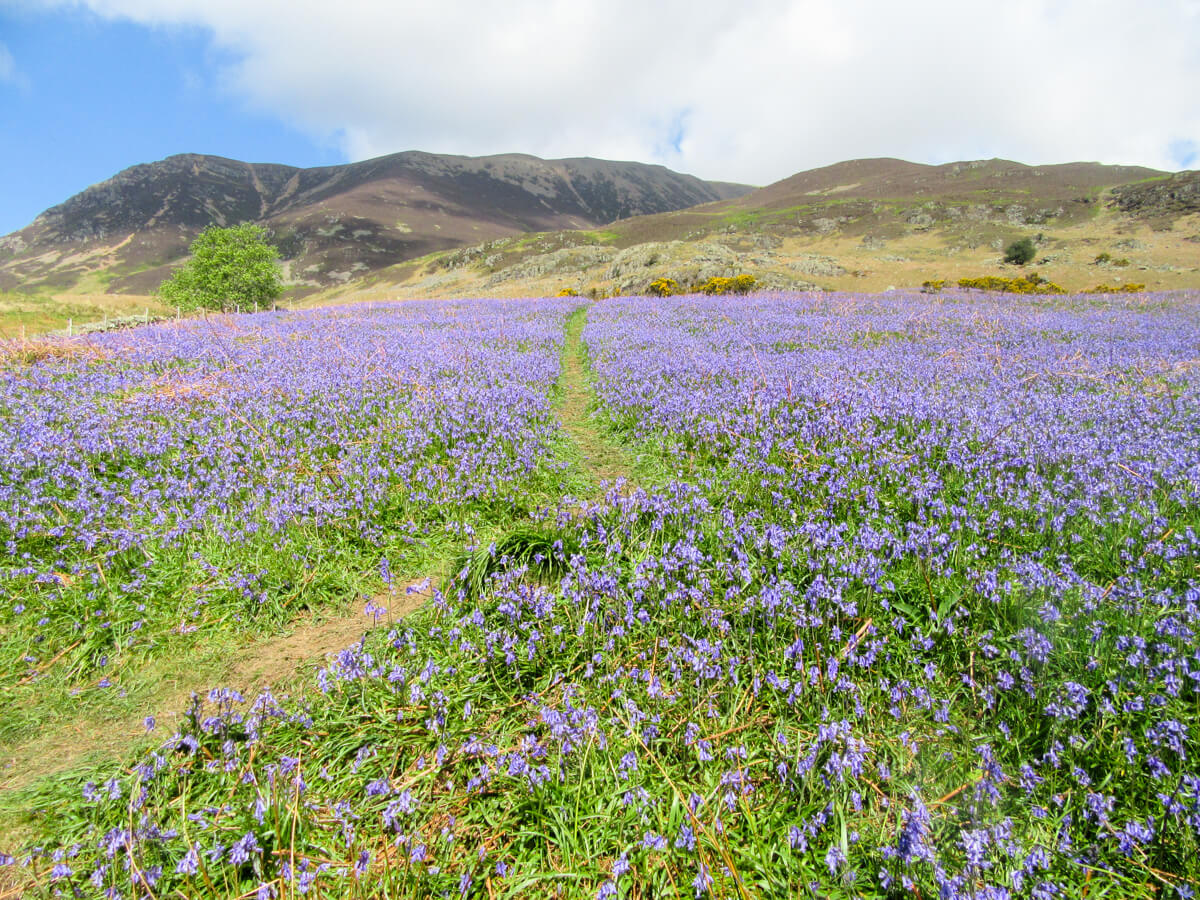
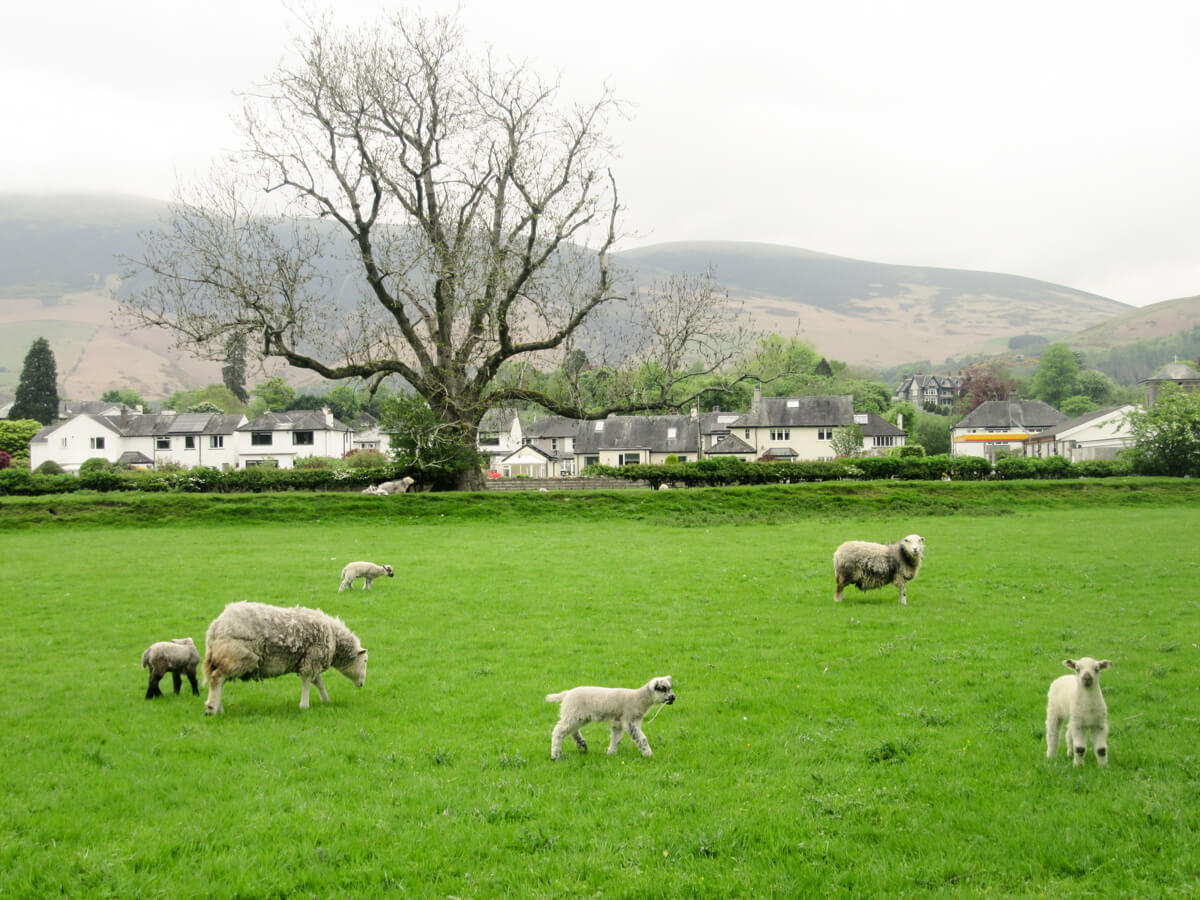
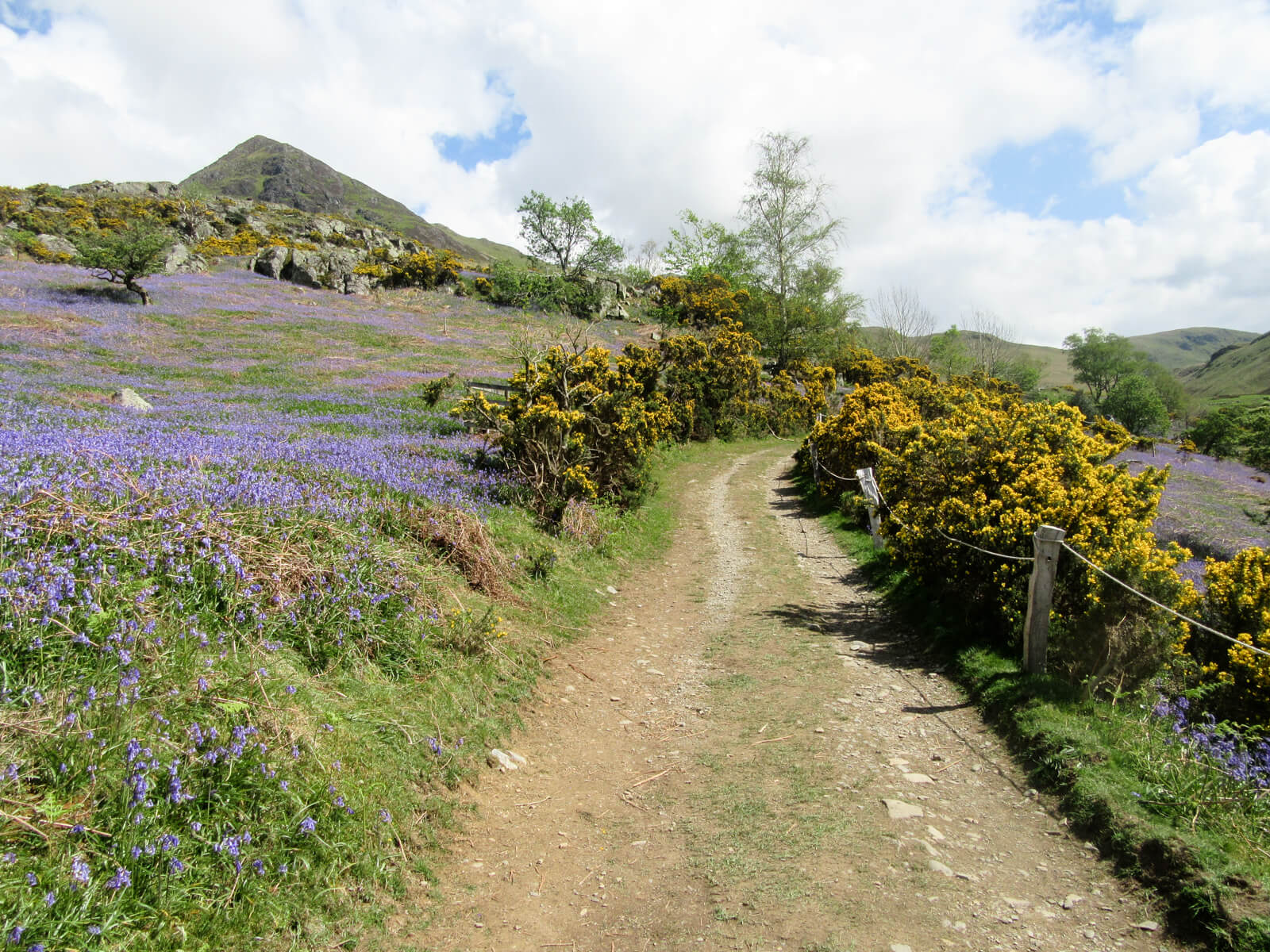
Personally, I love the Lake District in late spring. Baby lambs are scattered across the hills, which is always a joy to see. It’s also bluebell season, and one of the best places to see them is around Rannerdale Knotts, where the whole valley turns into a purple-hued carpet for a few weeks.
May is probably my favourite time to visit the Lake District, as the green landscapes, lambs, and wildflowers are in full swing.
Pros:
🌷 Fresh green landscapes
🌷 Fewer crowds than summer
🌷 Baby lambs and bluebells in late spring
Cons:
🌷 Unpredictable weather in early spring
🌷 Some muddy trails to be expected
🌷 Easter and May bank holidays can be busy
Summer (June – August)
Like many places, summer is the most popular time to visit the Lake District. You’ve got the best chance of warm weather, long daylight hours, and drier, easier hiking conditions. It’s also one of the liveliest times to be here, with open beer gardens and lake activities.
For hikers, those long days are a big advantage. You’ve got plenty of time for longer routes or slower starts.
But it does come with a trade-off: crowds.
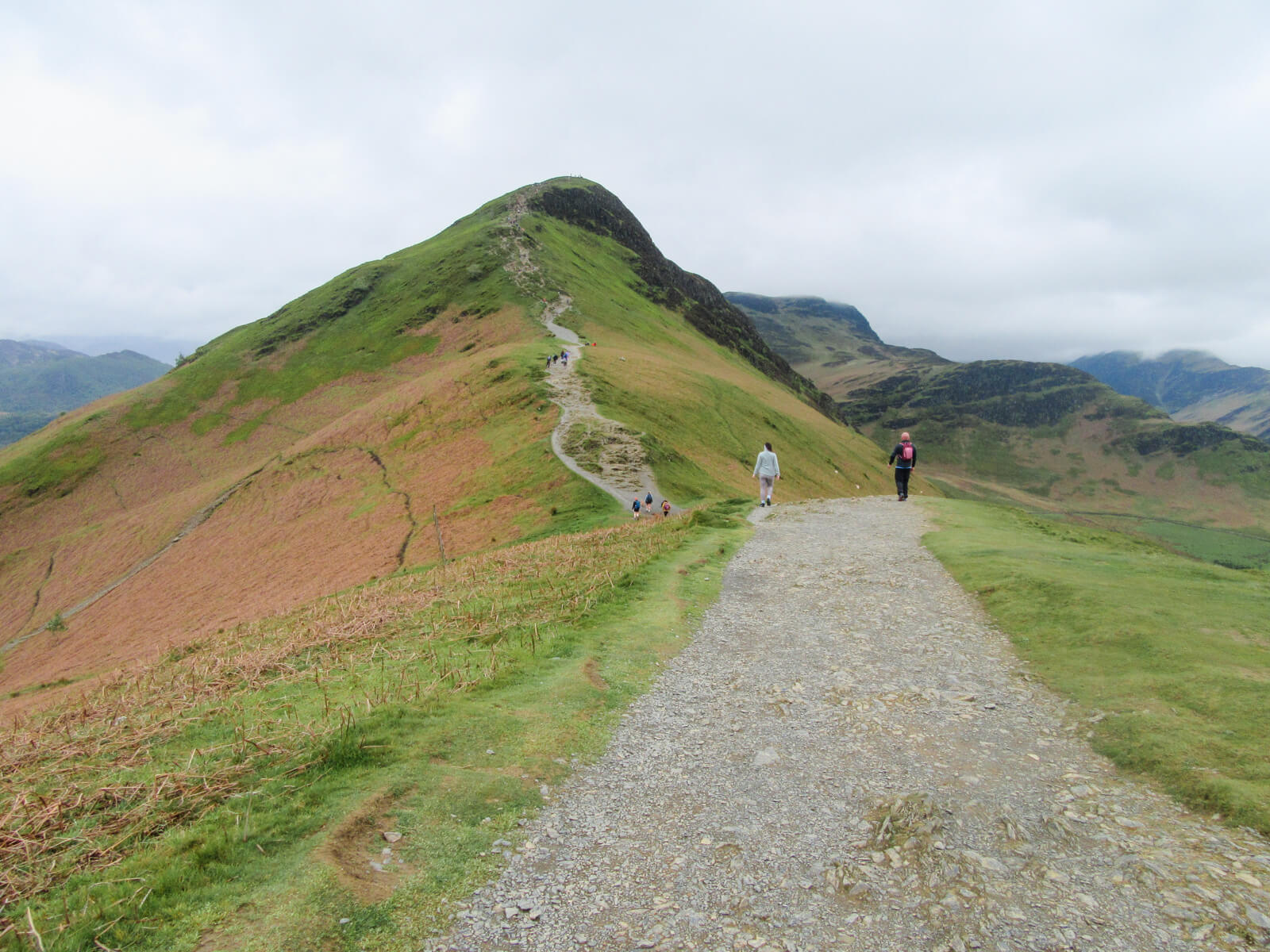
Popular routes like Catbells and Scafell Pike can feel busy, especially on weekends and during school holidays. Parking in hotspots such as Buttermere or Wasdale can be challenging, and accommodation prices are usually at their highest.
That said, if you avoid the most popular walks or start early, summer is a great time to be in the Lakes.
Pros:
☀️ Long days
☀️ Warmer temperatures
☀️ Best chance of clear views
☀️ Beer gardens and outdoor cafes at their best
Cons:
☀️ Busy trails and towns
☀️ Higher accommodation prices
☀️ Limited parking in popular areas


Autumn (September to November)
Autumn is one of the most underrated times to visit the Lake District.
In September, the weather can be excellent, and the summer crowds start to drop off. This makes it a brilliant month for hiking, with good daylight hours and fewer people on the trails.
I end up in the Lake District quite a lot in September because it’s the month that usually works best for my family, and we’ve had some incredible trips at that time of year. In 2024, we had a full week of gorgeous sunshine, including one day that hit 28°C. This is absolutely not guaranteed, though. In September the following year, we got plenty of rain.
By October, things start to change. The landscape takes on autumn colours, mornings can feel crisp and fresh, and the crowds thin out further. It’s a lovely time for woodland walks (Borrowdale is great for this), photography, and cosy weekends.
By November, conditions are usually turning colder, wetter, and darker, with shorter days and a greater chance of poor weather.
Pros:
🍂 Fewer crowds than summer
🍂 Chance of excellent weather in early autumn
🍂 Beautiful autumn colours in October
Cons:
🍂 Shorter daylight hours as you move into October/November
🍂 Increasing chance of poor weather later in the season


Winter (December to February)
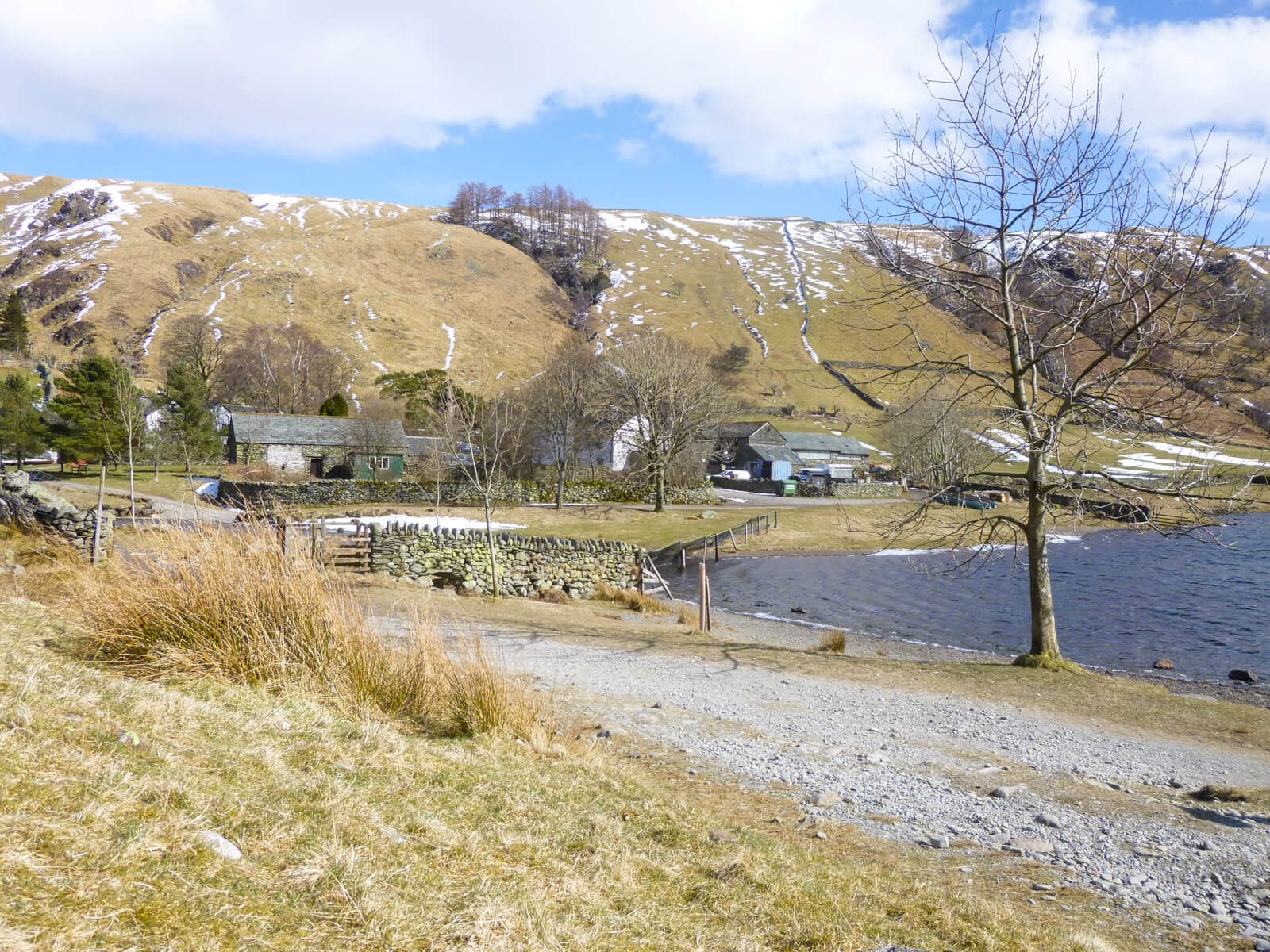
Winter in the Lake District feels completely different to the rest of the year. The crowds thin out significantly, and when snow arrives, the hills can look spectacular.
Snowy peaks, crisp air, low light, and quiet trails make for wonderful hiking. Nursing a warm drink in a pub after a chilly walk also feels very rewarding.
That said, winter conditions shouldn’t be underestimated.
Higher fells such as Helvellyn, Skiddaw, or Blencathra can become serious mountain terrain, with snow, ice, strong winds, and rapidly changing weather. In these conditions, proper winter kit is needed, including crampons, an ice axe, and the skills to use them. Lower-level walks can also be pretty cold and wet.
For experienced hikers, winter can be incredibly rewarding. For casual visitors, it can still be a lovely time to visit, but it probably won’t be the time to tick off big peaks.
Pros:
❄️ Snow makes for dramatic scenery
❄️ Very quiet trails
❄️ Lower accommodation prices
Cons:
❄️ Short daylight hours
❄️ Cold and often wet weather
❄️ More technical conditions on higher fells

So… when would I go?
If I were planning a dedicated hiking trip to the Lake District, I’d aim for May or September.
May gives you a fresh, green landscape, baby lambs are everywhere, and you get longer days without peak summer crowds. September is quieter than summer, but the weather can still be excellent.
Late April and June would be my second choices.
If you’re not going primarily for hiking, then your ideal time to visit might be different to mine. Families often prefer summer for warmer weather, photographers may love October for autumn colours, and people wanting cosy pubs and quiet villages often enjoy winter or early spring.
The “best” time really depends on what kind of trip you want.
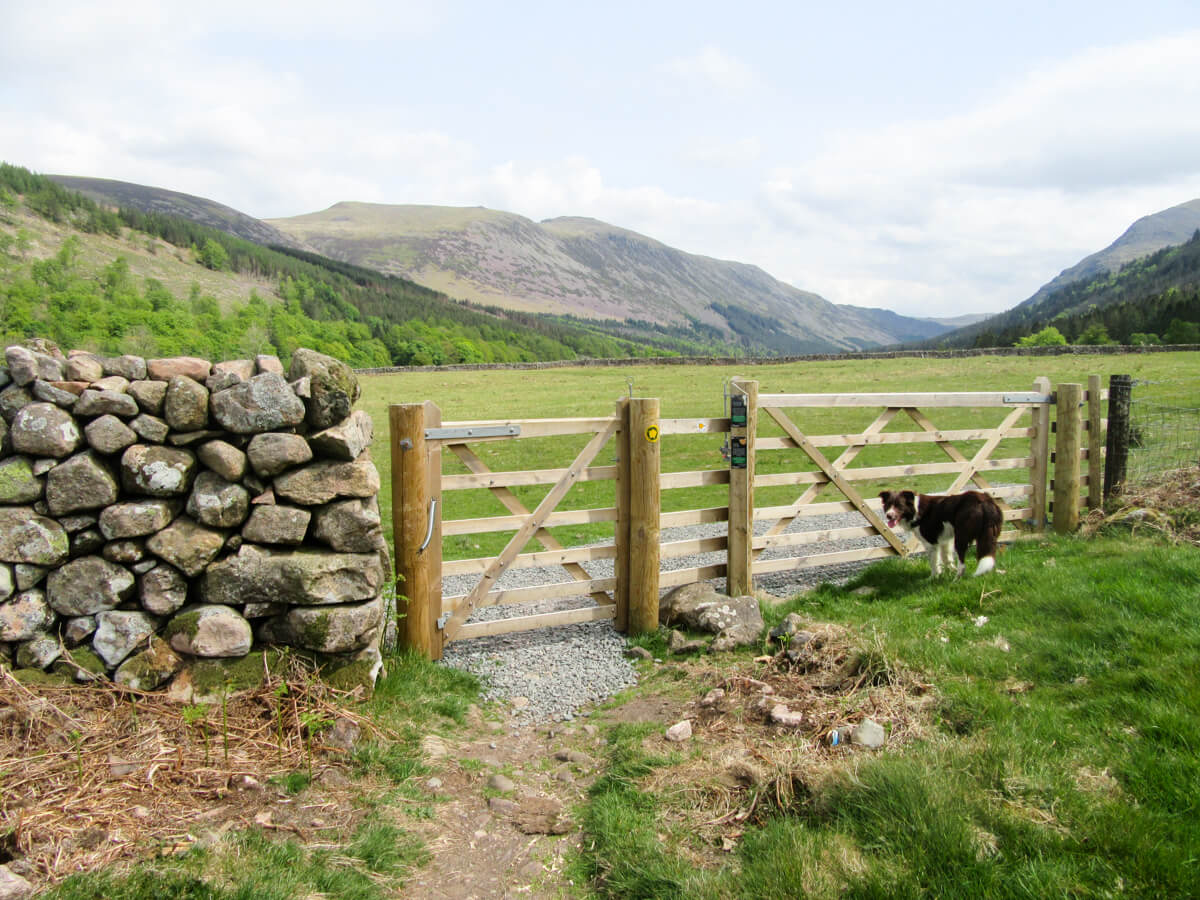
Above all, be prepared for rain
As I mentioned earlier, the weather in the Lake District doesn’t really follow rules. You can get perfect sunshine one week and relentless rain the next. It happens all the time. I would recommend bringing some decent waterproofs and hiking boots, even in summer, so that you’re prepared.
It’s also worth building some flexibility into your trip. Have a mix of valley walks and higher fells in mind, so you can adjust plans depending on the conditions. If the tops are covered in cloud or the rain is really coming down, you might want to save the bigger routes for another day.
And when the weather really isn’t on your side, you can always enjoy a long pub lunch instead.

More Lake District inspiration


PLANNING
Where To Stay In The Lake District
Compare Keswick, Ambleside, Grasmere, Borrowdale, and more.
WALKS
Rannerdale Knotts Bluebell Walk
The bluebells only bloom in late April to early May, so timing matters!

- Check out my roundup of the very best walks in the Lake District.
- Trying to decide where to stay? Here’s my guide on choosing where to base yourself in the Lakes.
- Try my four-day northern Lakes itinerary, based in Keswick.
- My guide for the Rannerdale Knotts bluebell walk — the bluebells only bloom in spring, so timing matters.
- These 5 easy walks are low effort, high reward.
⛰️ Want even more? Visit my Lake District Hub to browse all my walking guides and planning tips.
Thank you for reading! If you found this post useful, I’d be grateful if you would consider using the affiliate links below when planning your travels. I’ll make a small commission at no extra cost to you. This will help me to keep this blog running. Thanks for your support — Lauren.
Accommodation – Booking.com
Flights – Booking.com
Travel insurance – World Nomads
Excursions & tours – Viator
Outdoor gear – Decathlon
eSIMs – Airalo
Alternatively, you could buy me a coffee to say thanks!


About The Author
Lauren Pears is a freelance travel writer and blogger who writes about active adventure travel. She’s been blogging for almost 10 years, and has written for publications such as Lonely Planet, World Nomads, and Southeast Asia Backpacker.