My 10 Day Digital Detox in the Lake District
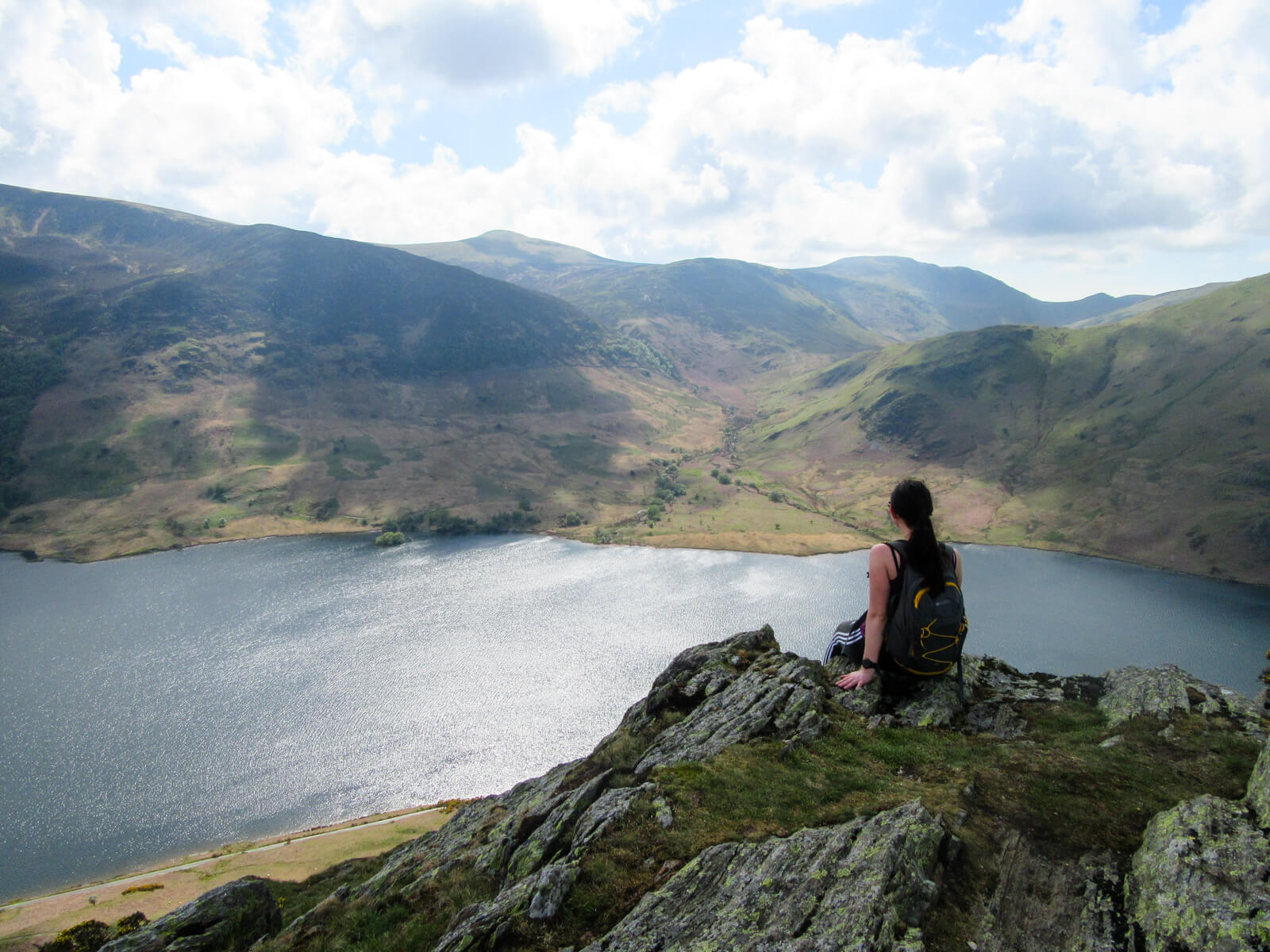
I’ve just come back from ten days in the Lake District. During that time, I forced myself to step away from my phone, banning myself from social media, messaging apps, entertainment apps, email, and anything work-related. A digital detox, if you will.
A few years ago, I lost someone I loved in a pretty traumatic way. The loss played a significant role in the development of my anxiety disorder, which has been almost crippling at times. Since then, my phone has become a kind of comfort. If my mind starts to spiral, or I feel myself getting upset or anxious, I distract myself with it. Scrolling. Messaging. Looking at photos. It works, in a way, to take the edge off.
The problem is that I’ve become increasingly aware of just how often I now reach for my phone without thinking. I’ll pick it up, unlock it, then lock it again. I’ll do this even when there is no new notification and no reason for going on it. I’m not even doing it to ease anxiety anymore. It’s just a habit. You might be thinking that’s a little pathetic, and I don’t disagree.
I needed an intervention. And so the digital detox wasn’t about becoming more “mindful” or virtuous. It was about trying to interrupt a toxic relationship with my phone.

Why the Lake District?
I wanted to go somewhere I already knew for my digital detox. My reason being that somewhere familiar would mean less need to use navigation apps, and less searching for things to do. Essentially, it would mean needing to use my phone less.
This meant I really only had two choices: the New Forest or the Lake District. Both of these places I visit every year — sometimes multiple times per year — so I know them well. But the Lake District won for one simple reason: I wanted hard walking.
The Lake District is home to the tallest peaks in England, and climbing these peaks usually requires a long day out in the hills. When I occupy myself with something physically demanding, mental noise has less room to take over. (This is also part of the reason why I cycled from England to Turkey while in the deepest trenches of grief). And so, strenuous hiking every day seemed like a good way to try to kill the urge to reach for my phone. My mind and body would be occupied.

What I mean by a “digital detox”
For the ten days I was away, I turned off all notifications. No alerts from social media, news, email, or anything like that. I moved all my main apps (Instagram, Messenger, WhatsApp, email, etc) into a folder together so that I’d be less likely to open them out of muscle memory.
I told my close friends in advance that I wouldn’t be replying while I was away, but that they could call me if it was genuinely urgent. Calls from four of my closest friends/family were the only alerts that I didn’t mute.
I used my phone for only one thing: maps and navigation. I’d have liked to avoid using it altogether, but I’m not confident enough navigating in the mountains with just a map and compass.
I also made myself cut out Spotify, which turned out out to be harder than I expected, especially on bus journeys. (Who knew staring out a bus window with nothing but the soundtrack of your own mind could be so challenging?)
For photos, I used a camera rather than my phone.

How I spent my days
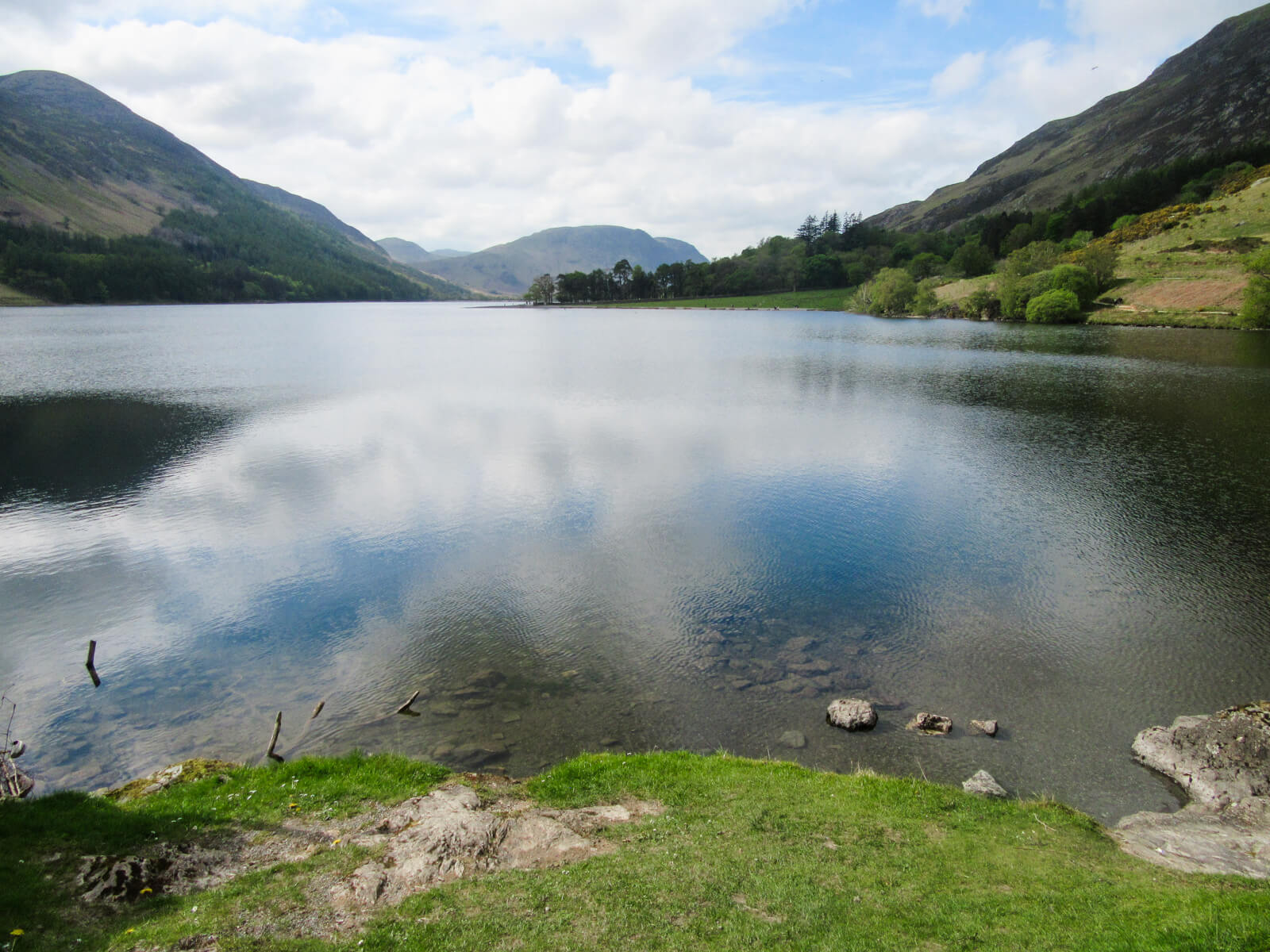
I based myself in the town Keswick, where I rented an apartment for myself. I chose Keswick because I know it well, but also because it has a good bus network, and I wanted to get out and about quite a lot.
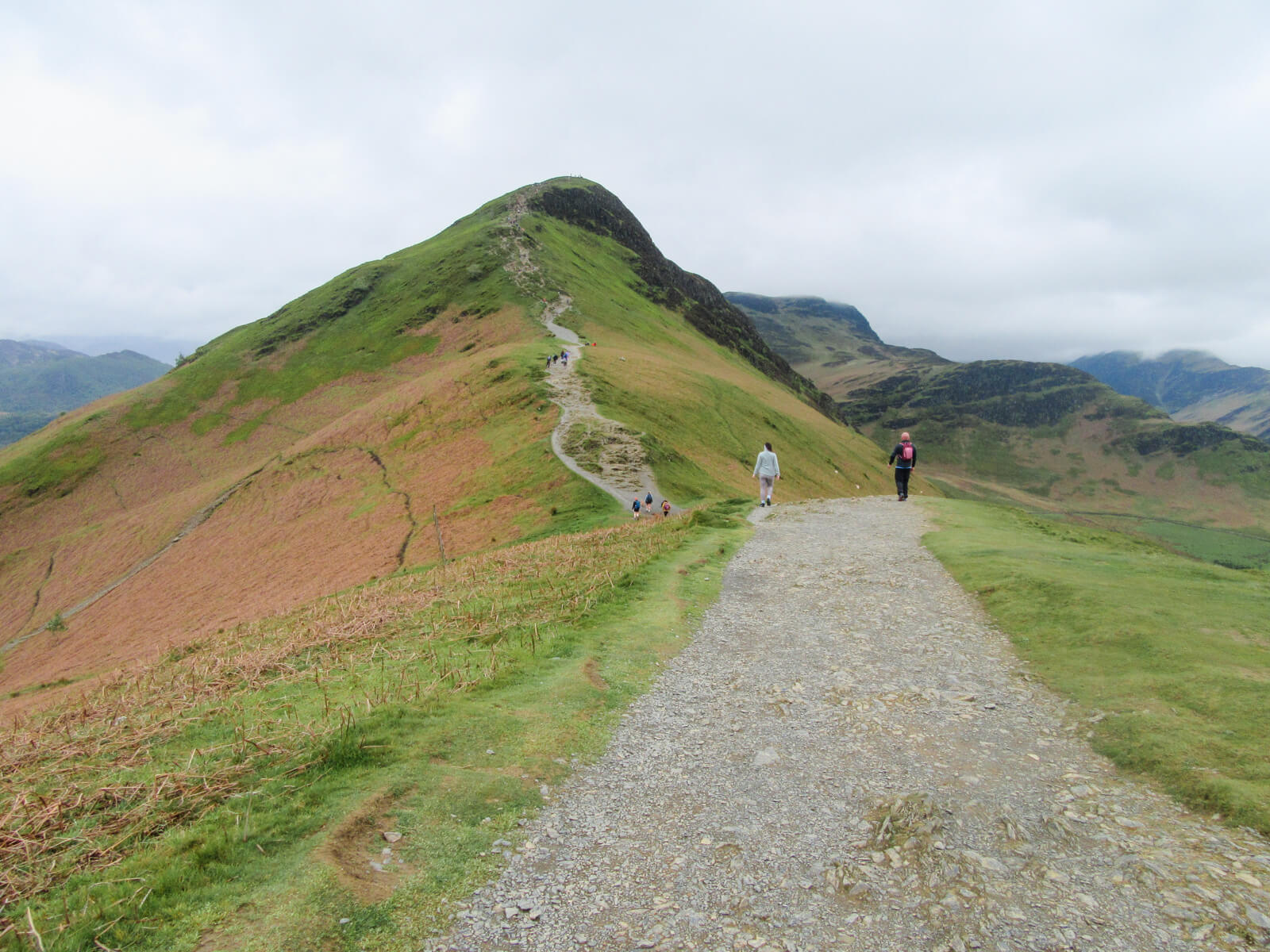
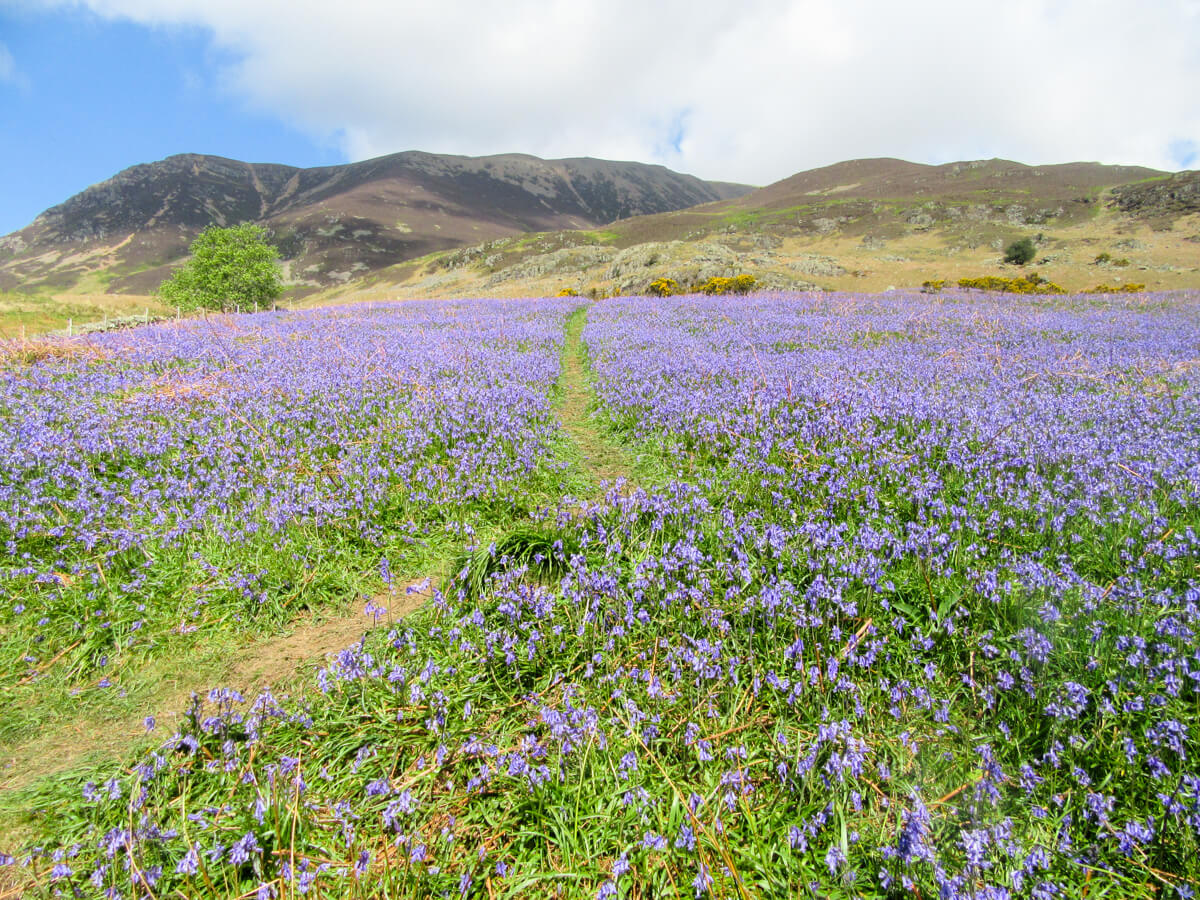
My days were simple. I’d wake up and enjoy a slow cup of tea in bed, make myself breakfast, and pack a lunch. Then I’d head out for a long walk, choosing to climb big fells like Helvellyn and Blencathra. When you’re climbing steadily uphill for hours, focusing on foot placement and breathing, there’s less appetite for distraction.
On the one day it rained, I walked around Derwentwater, and then spent the afternoon relaxing in a couple of cafes with coffee and a book.
In the evenings, I would cook myself proper dinners, work out, run long baths, read, and write.

The uncomfortable first few days
Embarrassingly enough, the first few days were genuinely difficult.
I kept reaching for my phone without thinking, especially while sitting in cafes or waiting for buses. Sometimes even when walking along flat paths. My hand would move to my pocket automatically, over and over again.
It was confronting to realise how ingrained that behaviour had become. I wasn’t reaching for my phone because I had a reason to use it; I was reaching for it because I was conditioned to do so.
Evenings were the hardest. Without the easy comfort of scrolling, I had to actively choose what to do with my time, which was more difficult than expected. At home, evenings are usually when my phone use peaks. Removing that option forced me to find other ways to unwind.

What changed by the end
By the end of the 10 days, I felt different.
I wasn’t reaching for my phone mindlessly anymore. The reflex had relaxed, to the point where I could sit still without feeling the need to scroll.
Beyond the change in habit, there was also a shift in my headspace. By not reaching for my phone every time I felt anxious, I was forced to sit with it instead. It became obvious that scrolling hadn’t really been easing my anxiety at all, and perhaps had actually been making it worse. I found I was better able to sit with my own thoughts, without feel the overwhelming urge to use my phone to distract myself.
I also found the experience quite freeing. I had no idea what was going on outside of my immediate world. No idea what my friends were up to, and no idea what was happening in the news. It was quite peaceful.
On the train back to London, I let myself listen to Spotify again. What surprised me was how little I felt the urge to open social apps during my journey.
Three weeks later, my relationship with my phone is better, although by no means perfect. Living in a digital world means constant availability is expected, whether we like it or not. But I make an effort to disconnect now. I try to put my phone down by 8pm most nights and turn my attention to something else. I also now put my phone in a drawer while I’m doing things like working or reading, so I can’t reach for it habitually.
It feels like my digital detox really did me some good, and I intend to do one every year.

Would I recommend a digital detox?
Yes.
Stepping back from my phone made something very obvious to me. We’re not built to absorb a constant stream of new information. Every scroll brings another headline, another update, another opinion from someone we’ve never met, and there’s rarely any pause between them. It’s constant stimulation.
When you’re in the habit of scrolling all the time, that level of stimulation starts to feel normal. It’s only when you step away that you realise how relentless it actually is, and how little space we give our brains to properly switch off. Suddenly, the burnout makes a lot more sense.
The digital detox didn’t change my life, but it did help me break the habit of checking my phone so frequently. I can hold my hands up and say that I was genuinely addicted to that little dopamine box.
This wasn’t about rejecting technology or chasing an idealised version of presence. It was about interrupting a pattern that had become unhealthy for me. Taking a break from my phone forced my mind to realise that it doesn’t always need to be distracted.

More Lake District inspiration


PLANNING
Where To Stay In The Lake District
Compare Keswick, Ambleside, Grasmere, Borrowdale, and more.

- Check out my roundup of the very best walks in the Lake District.
- Trying to decide where to stay? Here’s my guide on choosing where to base yourself in the Lakes.
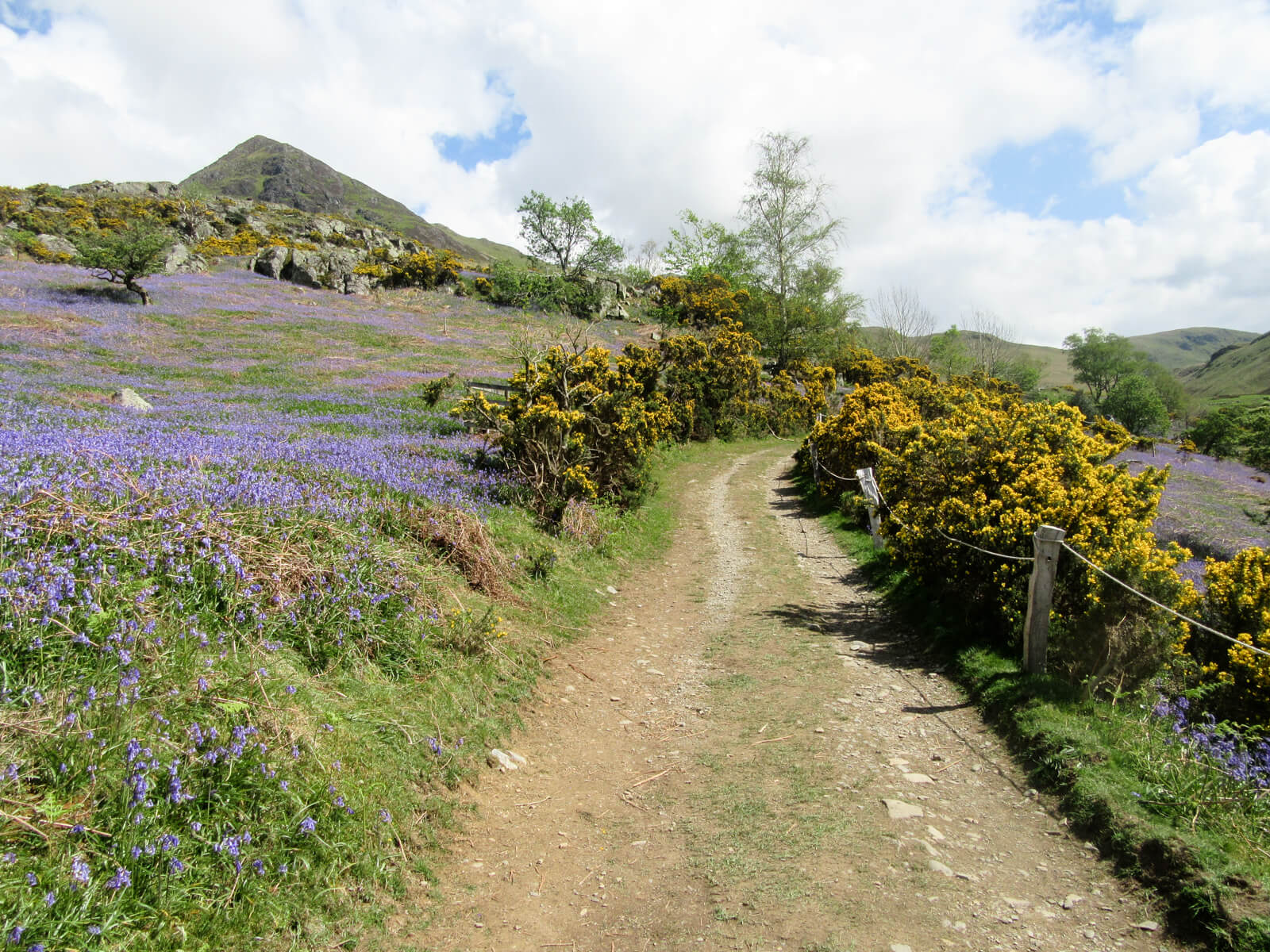
- My guide for walking Rannerdale Knotts.
- My guide for walking Helvellyn from Thirlmere.
- My guide for walking Haystacks & Buttermere.
⛰️ Want even more? Visit my Lake District Hub to browse all my walking guides and planning tips.
Thank you for reading! If you found this post useful, I’d be grateful if you would consider using the affiliate links below when planning your travels. I’ll make a small commission at no extra cost to you. This will help me to keep this blog running. Thanks for your support — Lauren.
Accommodation – Booking.com
Flights – Booking.com
Travel insurance – World Nomads
Excursions & tours – Viator
Outdoor gear – Decathlon
eSIMs – Airalo
Alternatively, you could buy me a coffee to say thanks!


About The Author
Lauren Pears is a freelance travel writer and blogger who writes about active adventure travel. She’s been blogging for almost 10 years, and has written for publications such as Lonely Planet, World Nomads, and Southeast Asia Backpacker.




It was good to read how therapeutic the digital detox was in your own words, and I’m proud of you for sticking with it so well whilst you were away. 🙂
Thanks B 🙂❤️