
The Perfect 2 Week Sri Lanka Itinerary for Hiking & Wildlife

Mountain hikes, wildlife safaris, cycling through ancient cities: this active 2 week Sri Lanka itinerary is ideal for a varied, outdoor-focused trip.
Sri Lanka is one of the most rewarding countries I’ve ever visited. From ancient cities and hilly tea plantations to golden beaches and leopard-filled national parks, it offers an incredible variety of experiences packed into a relatively small island.
In fact, there’s so much to see, that it can be overwhelming to figure out how best to spend two weeks.
After spending several weeks travelling around Sri Lanka, I’ve put together a route that brings together some of my favourite experiences. This 2 week itinerary is geared towards travellers who prefer to stay active and enjoy the outdoors, as it features plenty of hikes, wildlife safaris, and a bike ride or two. It also leaves a couple of days at the end to enjoy the beach, as Sri Lanka really does have some wonderful stretches of coastline.
The itinerary flows logically from the famed Cultural Triangle, through the scenic hill country, down to the wildlife-rich south, and along the tropical southern coast, making the most of your time without unnecessary backtracking. You can easily reverse the route if you prefer, but I personally think finishing up at the beach in Mirissa is a great way to end the trip!
My 2 week Sri Lanka itinerary breakdown
| Day 1 | Arrive in Negombo |
| Day 2 | Transfer from Negombo to Habarana |
| Day 3 | Hike Sigiriya Rock |
| Day 4 | Cycle through Polonnaruwa’s ancient city |
| Day 5 | Minneriya National Park (elephant safari) |
| Day 6 | Transfer from Habarana to Kandy |
| Day 7 | Kandy to Ella train ride |
| Day 8 | Hiking in Ella |
| Day 9 | Hiking in Ella and transfer to Yala |
| Day 10 | Yala National Park (leopard safari) |
| Day 11 | Transfer from Yala to Mirissa |
| Day 12 | Enjoy Mirissa |
| Day 13 | Enjoy Mirissa |
| Day 14 | Travel to Negombo and depart |
Here’s what this looks like on a map:
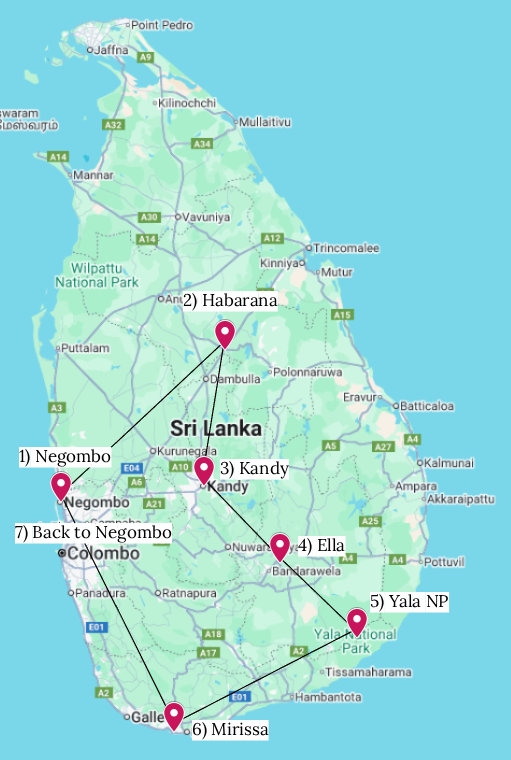
My 2 week Sri Lanka itinerary
Day 1: Arrive into Negombo
Most international travellers arrive in Sri Lanka via Bandaranaike International Airport, which serves as the main airport for the capital city, Colombo. However, I personally wouldn’t recommend spending time in Colombo unless you’re particularly keen to see the city. It’s noisy, chaotic, and very spread out — and in my opinion, it doesn’t offer a huge amount to see or do. Plus, it can take well over an hour to reach the city centre due to heavy traffic.
Instead, I suggest starting your trip in Negombo, a relaxed coastal town located just 20 minutes from the airport. It has a much more laid-back atmosphere than Colombo, with a decent beach, a scattering of bars and restaurants, and plenty of budget-friendly guesthouses. It’s a great spot to be after a long flight. If you arrive early enough, you could enjoy a walk along the beach, visit the market, or just relax at your hotel and prepare for the next two weeks of travelling around Sri Lanka.

Day 2: Transfer from Negombo to Habarana
Head inland towards the Cultural Triangle, using the small town of Habarana as your base for the next few days.
Habarana is a fantastic base for exploring the Cultural Triangle thanks to its central location, peaceful atmosphere, and excellent access to nearby landmarks. From Habarana, you can easily reach Sigiriya Rock, Pidurangala Rock, the Dambulla Cave Temples, and Minneriya National Park within 30 minutes. The ancient city of Polonnaruwa is also only about an hour away.
Unlike some of the busier tourist hubs, Habarana offers a quieter setting, giving you a calm and scenic base to return to each day. I’d suggest staying in Habarana for 3 nights, and heading out on day trips to the highlights in the region (Sigiriya, Polonnaruwa, Minneriya, etc).
From Negombo, the journey to Habarana takes 2 to 3 hours by car, making it most convenient to hire a private driver or arrange a transfer through your accommodation. The route is scenic, passing through rural villages and lush countryside as you head into central Sri Lanka. Public transport is possible, but it involves multiple changes and a long travel day.

Day 3: Hike Sigiriya Rock
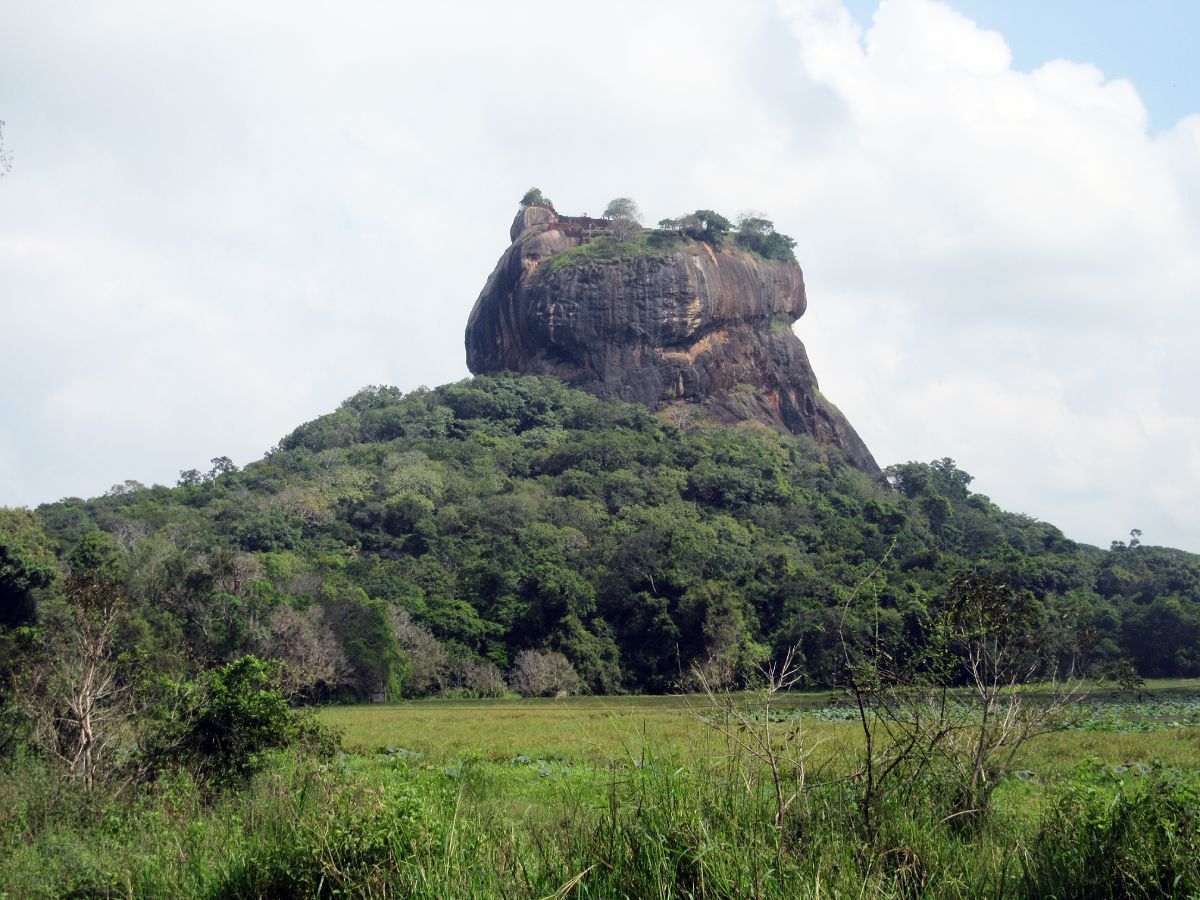
I recommend getting up early to beat the heat and the crowds to Sigiriya Rock. This massive rock fortress was built in the 5th century and once served as a royal palace, complete with gardens, frescoes, and defensive structures. It’s now one of the most iconic landmarks in Sri Lanka, and you can climb to the summit to explore the ruins and enjoy sweeping views of the surrounding area.
The climb to the top takes around an hour with plenty of sights along the way, including the Lion’s Gate, ancient frescoes, and incredible views of the surrounding plains from the summit. It opens at 7am each day, and the earlier you can make it up, the better. From Habarana, you can grab a taxi or tuk-tuk to take you to Sigiriya.
In the afternoon, you could take the short drive to the Dambulla Cave Temple, a UNESCO World Heritage Site filled with vibrant murals and Buddha statues tucked into natural caves.
Alternatively, if you’re keen for more hiking, you could head out to Pidurangala Rock. Pidurangala Rock is less visited than Sigiriya, so it shouldn’t be too busy. The 30-45 minute climb is quite steep, but the reward is a stunning panoramic view of Sigiriya Rock itself.
Day 4: Cycle through Polonnaruwa’s ancient city
Polonnaruwa is a former royal capital of Sri Lanka and one of the country’s most important archaeological sites. Dating back to the 11th and 12th centuries, it’s a vast complex of temples, palaces, statues, and reservoirs that offer a glimpse into Sri Lanka’s ancient history. Today, it’s a UNESCO World Heritage Site and a really fun place to explore.
In my opinion, cycling around Polonnaruwa is the best way to explore it. The temples and monuments are spread out over a large area, but on two wheels, you can see all the best sites in one day while maintaining a leisurely pace on a bike.
From Habarana, it takes around an hour to reach Polonnaruwa. I’d recommend arranging transport through your accommodation to the entrance and hiring bikes locally, which is straightforward and gives you the freedom to explore independently. There’s a rental place called Bicycles Polonnaruwa about 500 metres from the entrance.
Alternatively, you can book a tour package which includes transfer, bikes, and a guide to take you around the ancient city. Of course, you can also skip the bikes entirely and explore on foot if cycling isn’t your thing.

Day 5: Minneriya National Park (elephant safari)
Minneriya National Park is one of the best places in Sri Lanka to see elephants in the wild. In fact, each year, there is an annual spectacle known as ‘The Gathering’ where up to 300 elephants congregate by the Minneriya reservoir. This takes place during the dry season (July to September).
During my safari, we saw multiple elephant herds within a very short space of time (I visited in March), including a couple of babies! While elephants are the main draw, Minneriya is also home to deer, buffalo, birds, and other wildlife.
You can book your safari through your accommodation or directly with a local operator. Either way, the operator will usually pick you up from your accommodation and take you back afterwards. It’s only about a 15-minute drive from Habarana to Minneriya’s entrance.
Safaris in Minneriya run on a half-day or full-day basis. Half-day safaris (6am or 2pm) will give you 3 – 4 hours in the park, whereas a full-day safari will be 10 – 12 hours.
Here are a few suggestions for operators to look into:
- Minneriya Wild Safari
- Minneriya Safari Tours
- Minneriya Wild Tours
- This safari on Viator has great reviews

Day 6: Transfer from Habarana to Kandy
The drive from Habarana to Kandy takes around 1.5 to 2 hours, making this a relatively easy travel day. As you get closer to Kandy, you’ll notice the landscape becoming greener as you approach Sri Lanka’s hill country.
Kandy is centred around a scenic lake, and the city offers a mix of cultural sights, nice walks, plenty of cafes, and a handful of lovely spots to unwind. If you’ve got some energy, I recommend taking a walk around Kandy Lake. It’s surrounded by a scenic footpath, and you’ll pass landmarks, plenty of shops, restaurants, cafes and street food vendors. It’s a great way to spend an afternoon and get an introduction to the city.
You could also check out the Temple of the Sacred Tooth Relic. This is one of the most important Buddhist sites in the world, as it houses a relic believed to be a tooth of the Buddha himself (the left canine, in case you were wondering).
Check out my Kandy itinerary for more ideas on how to spend time there.

Day 7: Kandy to Ella Train
Ella is a small hill town in Sri Lanka’s central highlands, with lush green landscapes and cooler mountain air. It’s one of the country’s most popular bases for hiking, thanks to the number of scenic trails that start right on its doorstep. Spend the next two nights here, using Ella as a base to explore the surrounding hills on foot and enjoy a slightly slower pace after the Cultural Triangle.
Reaching Ella by train is very much part of the experience. The journey from Kandy is often described as one of the most scenic train rides in the world, and it’s well worth choosing this option if you can.
The journey takes most of the day, but it really is worth it, as the route winds its way through Sri Lanka’s hill country, passing tea plantations, valleys, and small rural stations. The scenery is gorgeous, and as you get closer to Ella, the landscape becomes greener and more mountainous.
It’s best to book the Kandy to Ella train in advance if possible, as reserved seats often sell out. Tickets can be booked online through Sri Lanka Railways around 30 days before travel. If you can’t get a reserved seat, unreserved tickets are sold on the day at the station, but this can mean standing during busy periods.

Days 8 + 9: Hiking in Ella
Spend the next two days hiking in Sri Lanka’s central highlands, using Ella as your base.
One of the most popular hikes is Ella Rock, which takes you out of town and through tea plantations, along railway tracks, and into forest, before opening up onto expansive views from the summit. It’s a steady, rewarding climb rather than a technical one, and the panoramic views across the surrounding valleys make the effort well worth it. Allow a good few hours for the full walk, including time to rest and enjoy the scenery at the top.
Little Adam’s Peak is another great option. The trail is well-maintained and steadily climbs through tea plantations to a wide, open viewpoint. It doesn’t take long to reach the top, but the views across the surrounding hills and valleys are excellent.
Outside of hiking, Ella has a relaxed, easygoing atmosphere. There’s a strong cafe culture here, making it a lovely place to unwind after walks.
In the late afternoon of Day 9, take the two-hour drive south towards Yala National Park. I really recommend staying at Cinnamon Wild. While most hotels are based in the nearby town of Tissamaharama, Cinnamon Wild sits right on the edge of Yala itself. You’ll be staying in eco-friendly chalets set within ten acres of lush jungle, which makes for a really immersive experience.
🥾 If you’re a really keen hiker, I would suggest travelling from Kandy into the Knuckles Mountain Range instead of going to Ella. The Knuckles offer tougher and more remote hiking opportunities, such as multi-day treks and jungle stays. Ella, by comparison, is much more accessible. The hiking there is scenic and enjoyable, but is better suited to shorter, well-trodden day hikes.
Day 10: Yala National Park (leopard safari)
Yala National Park is Sri Lanka’s most well-known safari destination, no doubt because it’s home to the highest concentration of leopards in the world. While sightings are never guaranteed due to their elusive nature, this is one of the best places to see a wild leopard, particularly during the early morning or late afternoon when they’re most active.
Beyond leopards, Yala is also home to plenty of other species, including elephants, sloth bears, crocodiles, deer, and an impressive variety of birdlife. Yala is so rich in wildlife that safaris here are very fruitful.
Whether you book your safari through your accommodation or directly with an operator, the operator will usually pick you up from your accommodation and take you back afterwards. You can choose a morning, afternoon or full-day safari. Morning and afternoon safaris will give you 3 – 4 hours in the park, whereas a full-day safari will be 10 – 12 hours.
Here are a few operators to look into:

Day 11: Transfer from Yala to Mirissa
Today marks a shift in pace as you head towards Sri Lanka’s south coast, where the pace of the trip begins to slow down. The drive from Yala to Mirissa takes 2 to 3 hours, and your reward will be a pretty coastal town with a gorgeous beach.
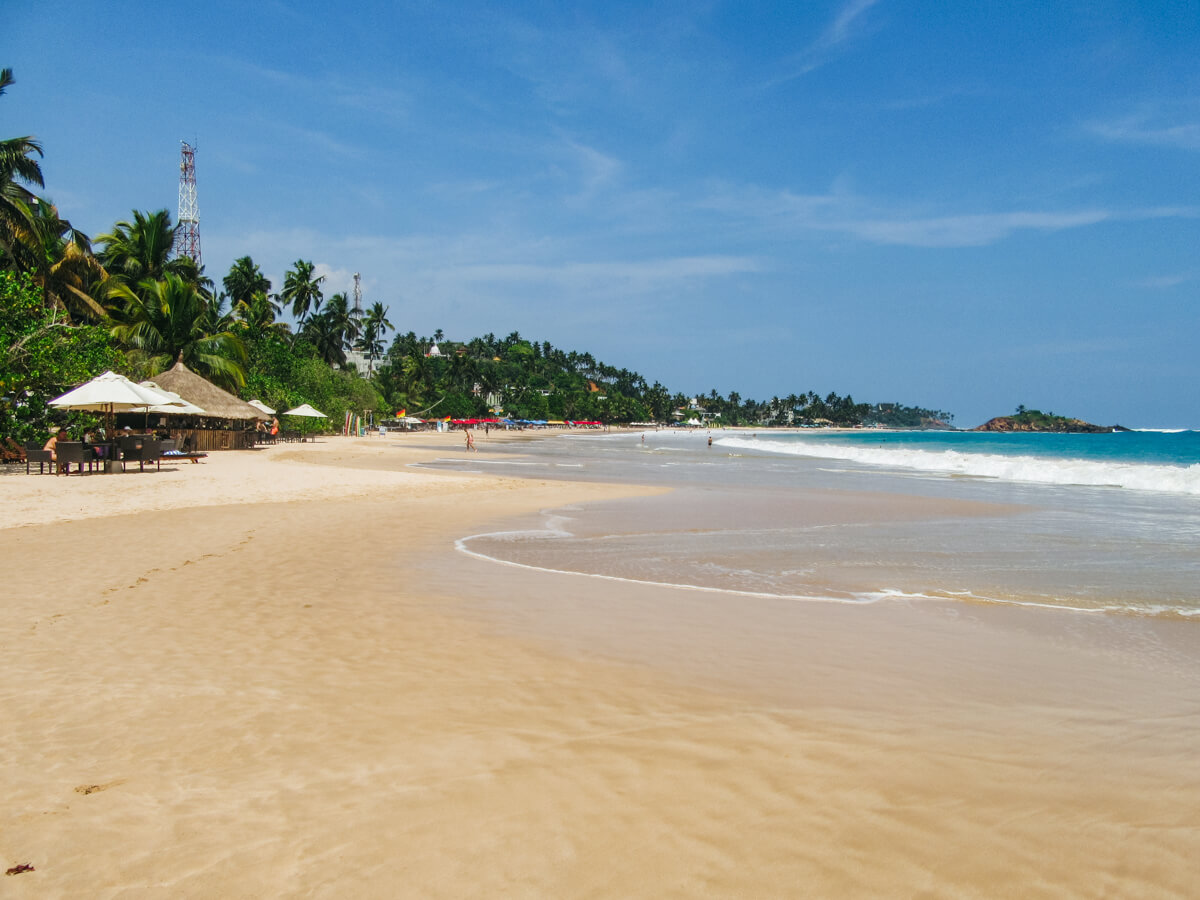
Mirissa is laid-back, with a gently curved bay and easy access to the sea. It’s less hectic than some of the larger beach resorts, with a good balance of small guesthouses, cafes, and low-key bars rather than big hotels or nightlife. It works particularly well at the end of an active trip, allowing you to slow down and enjoy the coast.
Days 12 + 13: Enjoy Mirissa
I’ve left the final two full days of this Sri Lanka itinerary deliberately unstructured. Mirissa is a great place to relax, so if this is what you want to do, then the beach, cafes, and bars are waiting for you.
If you’re keen to stay active, the south coast is really good for cycling. Quiet coastal roads run between fishing villages and beaches, offering flat, scenic riding with almost constant sea views.
Mirissa is also one of Sri Lanka’s main bases for whale watching, particularly between November and April. Blue whales and sperm whales are commonly spotted offshore, as are dolphins. If you’re keen to go whale watching, I must urge you to choose an operator carefully. Many are irresponsible and will chase marine wildlife. I recommend the Whale Watching Club.
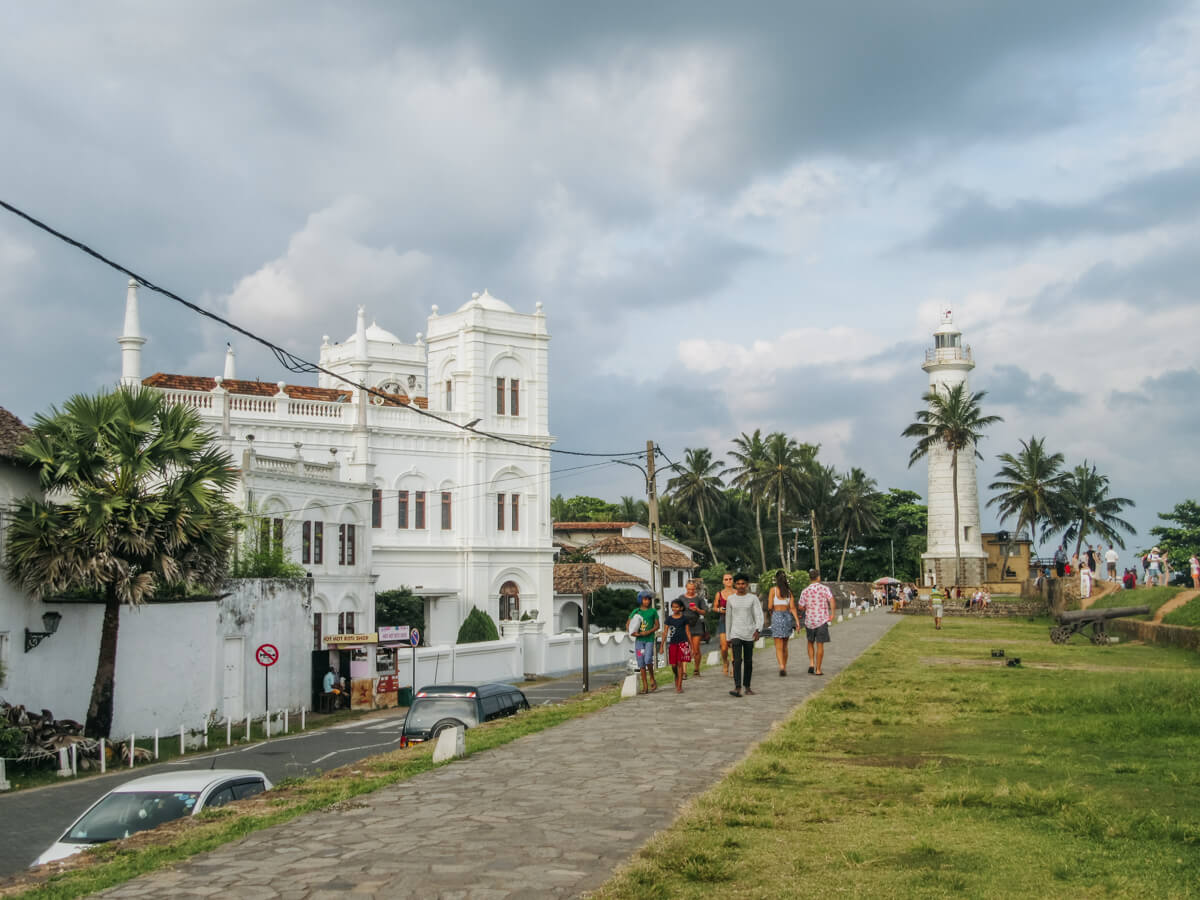
For a change of pace, a day trip to Galle works well from Mirissa. The historic fort, with its colonial architecture, sea walls, and narrow streets, is compact and easy to explore on foot. It offers a glimpse into a different chapter of Sri Lanka’s history, and I thought it was very enjoyable to walk around.
Day 14: Depart from Negombo
Make your way back to Negombo for your onward flight. The drive from Mirissa to Negombo takes around three hours, so it’s worth setting off with plenty of time. You can book an airport transfer here.
Additions and alterations
If any part of the itinerary above isn’t quite right for you, it’s easy to tweak the route by removing or shortening certain stops and replacing them with alternatives instead. Sri Lanka is compact, but travel still takes time, so swapping locations rather than adding more usually works best.
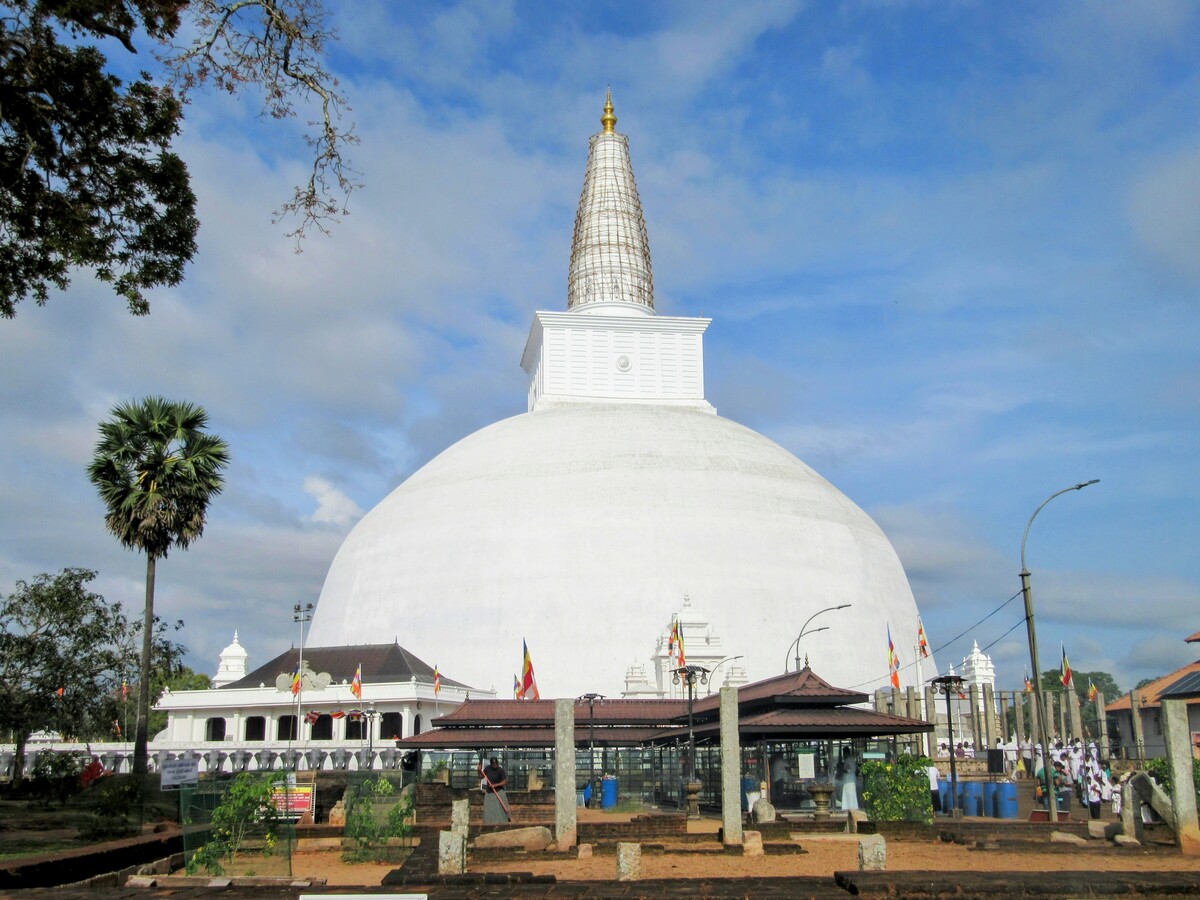
Anuradhapura
If you love cycling and history, it’s worth heading up to Anuradhapura before going south towards Habarana. Anuradhapura’s ancient city is vast, flat, and exceptionally well suited to exploring by bike, with quiet roads, shaded avenues, and large distances between sites that would be tiring to cover on foot.
Of course, you don’t have to cycle, and can instead explore Anuradhapura’s ancient city by tuk-tuk. But I personally think exploring by bike is a really great way of seeing everything.
Knuckles Mountain Range
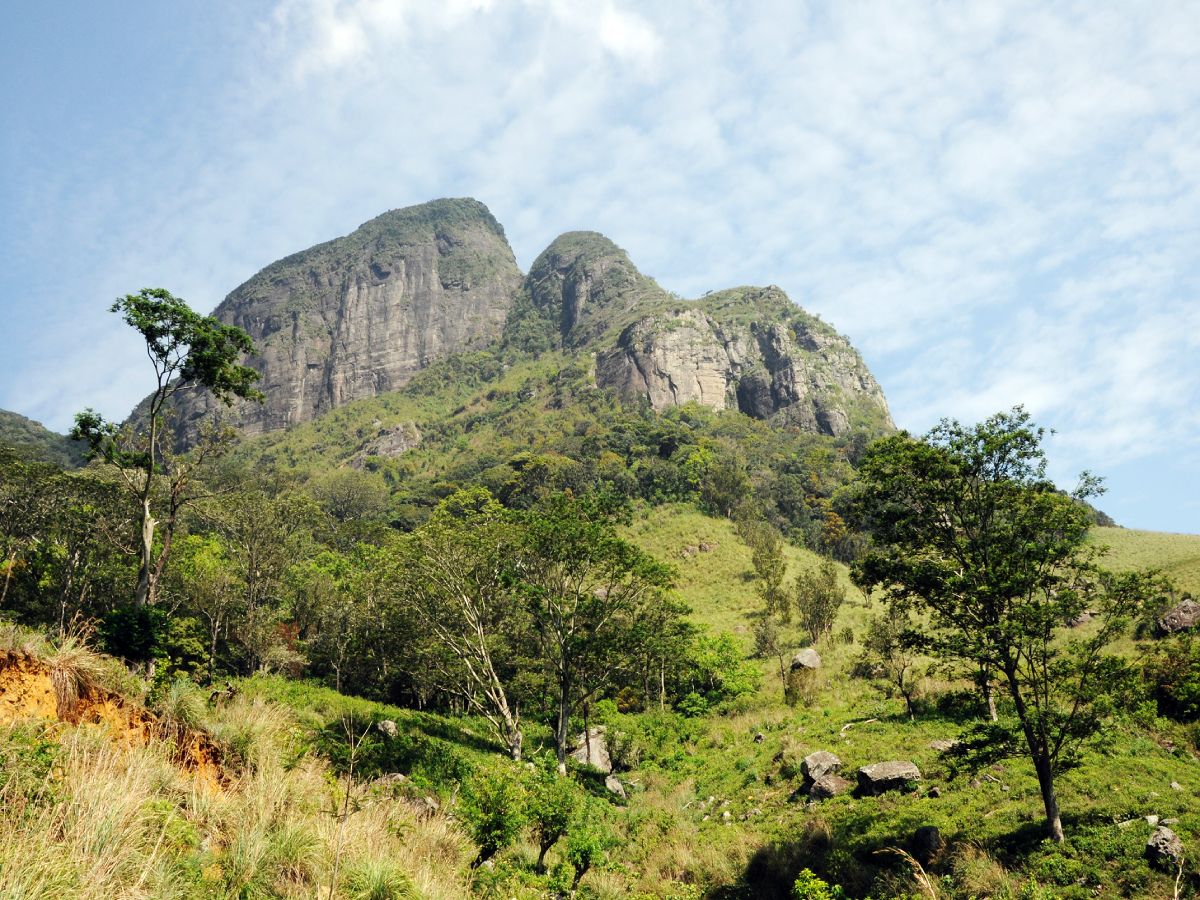
For more remote and challenging hiking, the Knuckles Mountain Range is a strong alternative to Ella. This rugged, mountainous area offers quieter trails, dense forest, and far fewer visitors than the popular hill-country bases.
Adding Knuckles usually means removing Ella from the itinerary, as it requires a different route and additional travel time. It’s best suited to travellers who prioritise longer, more challenging hikes over short, scenic walks and cafe culture. If hiking is a big focus for you, this swap should make the itinerary feel much more hiking-oriented.
Horton Plains National Park
Horton Plains National Park is another great alternative to Ella. Sitting high in Sri Lanka’s central highlands, this national park is best known for the circular World’s End hike, which takes you across open grasslands, cloud forest, and dramatic escarpments with incredible views. The landscape here feels noticeably different to elsewhere in the country, with a cooler climate and an almost alpine feel to it.

Udawalawe National Park
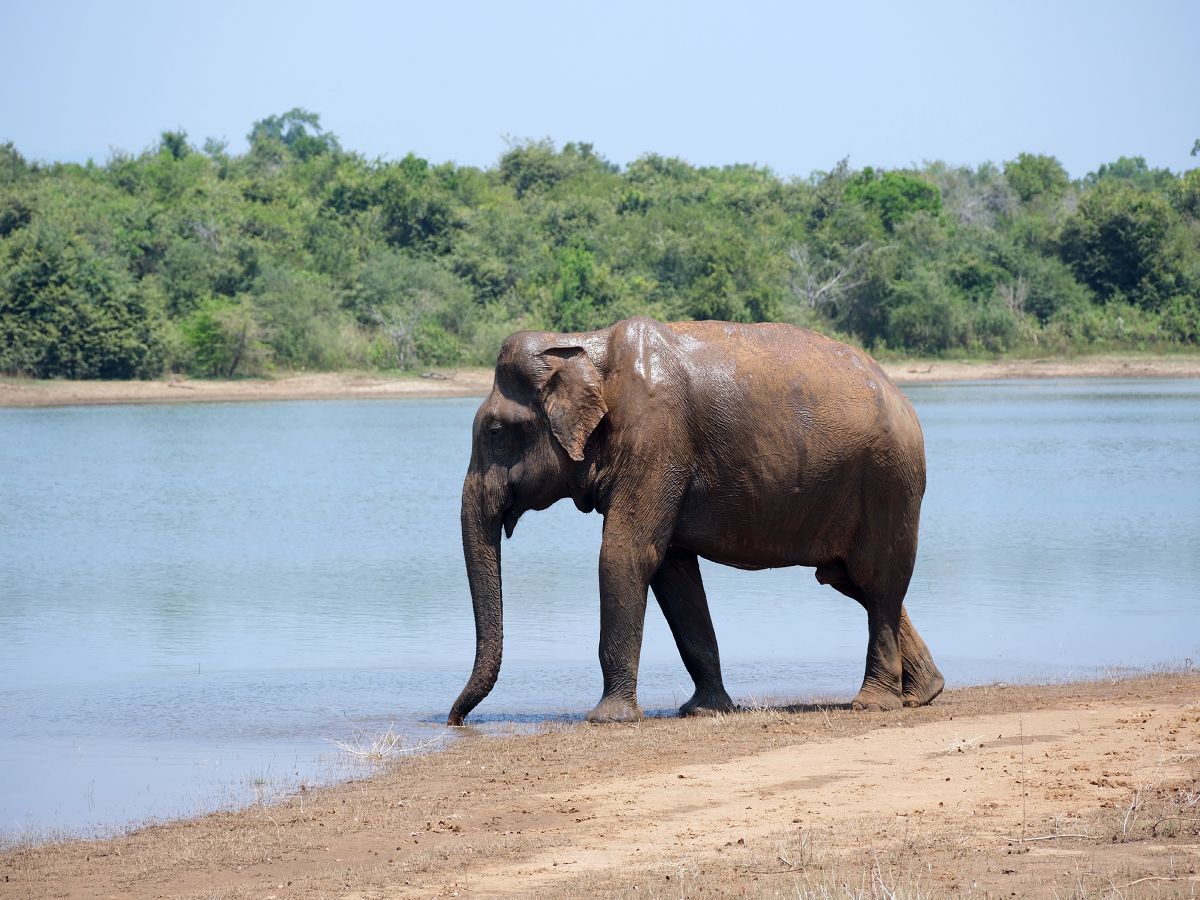
Udawalawe National Park is an excellent alternative to Minneriya or Yala (or in addition to, if you particularly love safaris). The park is known for its large, reliable elephant population, often seen in open landscapes that make viewing easier than in more densely forested parks.
Is this itinerary right for you?
This 2 week Sri Lanka itinerary is best suited to travellers who enjoy staying active and experiencing a country through its landscapes rather than ticking off cities. If you’re happy with early starts, a few longer travel days, and moving locations every few days, this route works very well.
It’s designed for people who enjoy walking, cycling, wildlife, and being outdoors, whether that’s hiking in the hill country, cycling through ancient cities, or spending time on safari. The pace is full but realistic, with similar experiences grouped together so you’re not constantly switching gears.
That said, this itinerary probably isn’t the best fit if you’re looking for a slow, resort-based trip or want to minimise travel as much as possible. While Sri Lanka is compact, journeys can still take time, and this route prioritises seeing different regions over staying put for long stretches.
If you like trips that feel varied, active, and thoughtfully paced, this itinerary should suit you well. And if not, it’s easy to tweak by swapping or removing sections to better match how you prefer to travel.
Best time to do this 2 week Sri Lanka itinerary
Sri Lanka’s climate can be confusing at first glance, as different parts of the country are affected by different monsoon seasons. The good news is that this particular itinerary is quite forgiving, as it moves through several regions rather than relying on just one.
In general, the best time to follow this route is between December and April. During these months, conditions are usually good in the Cultural Triangle, the hill country around Ella, Yala National Park, and along the south coast. You’ll get a mix of warm, dry days and cooler temperatures in the hills, which works well for hiking, cycling, and wildlife experiences.
The south coast, including Mirissa, is at its best during this period, with calmer seas and better conditions for swimming and whale watching. This also aligns well with Yala National Park, where wildlife viewing tends to be more reliable during the drier months.
If you’re travelling outside of peak season, this itinerary can still work, but you may need to be a little more flexible. Rain showers are often short and heavy rather than constant, especially in the hill country, and they don’t usually prevent you from hiking or sightseeing entirely. Travel times and road conditions can be slightly slower during wetter periods, so it’s worth factoring that into your plans.

Getting around Sri Lanka
I recommend using 12Go Asia (use code CJ10 for 10% off) to get around Sri Lanka. You can use this website to book transfers between pretty much any city or major town, including everywhere on this itinerary. You can choose from private taxis to shared minivans, depending on your budget and desired comfort level.
Alternatively, your accommodation will be able to book transfers for you.
Public transport is possible and very affordable, but it tends to be incredibly slow. Negombo to Habarana on the bus, for example, costs about 4 USD, but takes around 8 hours. The Sri Lanka Transport Board (SLTB) is the state-owned bus operator, and you can book tickets online here.
The train is generally not a great way to get around Sri Lanka. Sri Lanka’s rail network doesn’t reach many key destinations, particularly national parks, smaller towns, and beach areas. Places like Habarana, Yala National Park, and Mirissa aren’t well served by trains.
The main exception is the Kandy to Ella train, which is very much part of the experience rather than just a means of transport. It’s definitely worth building this into your plans — you can book it here.
Tuk-tuks are useful for shorter distances, such as getting to nearby sights from Habarana or moving around towns like Ella and Mirissa. I also find tuk-tuks quite fun to ride in, but make sure to haggle for a good price. Alternatively, PickMe is available in some cities, which is the Sri Lankan version of Uber.
Overall, getting around Sri Lanka is relatively straightforward. Combining 12Go Asia with selective use of trains, tuk-tuks, and PickMe is the best way to go.
Wildlife and responsible travel in Sri Lanka
Because this itinerary includes wildlife experiences, I wanted to touch on the importance of responsible wildlife viewing.
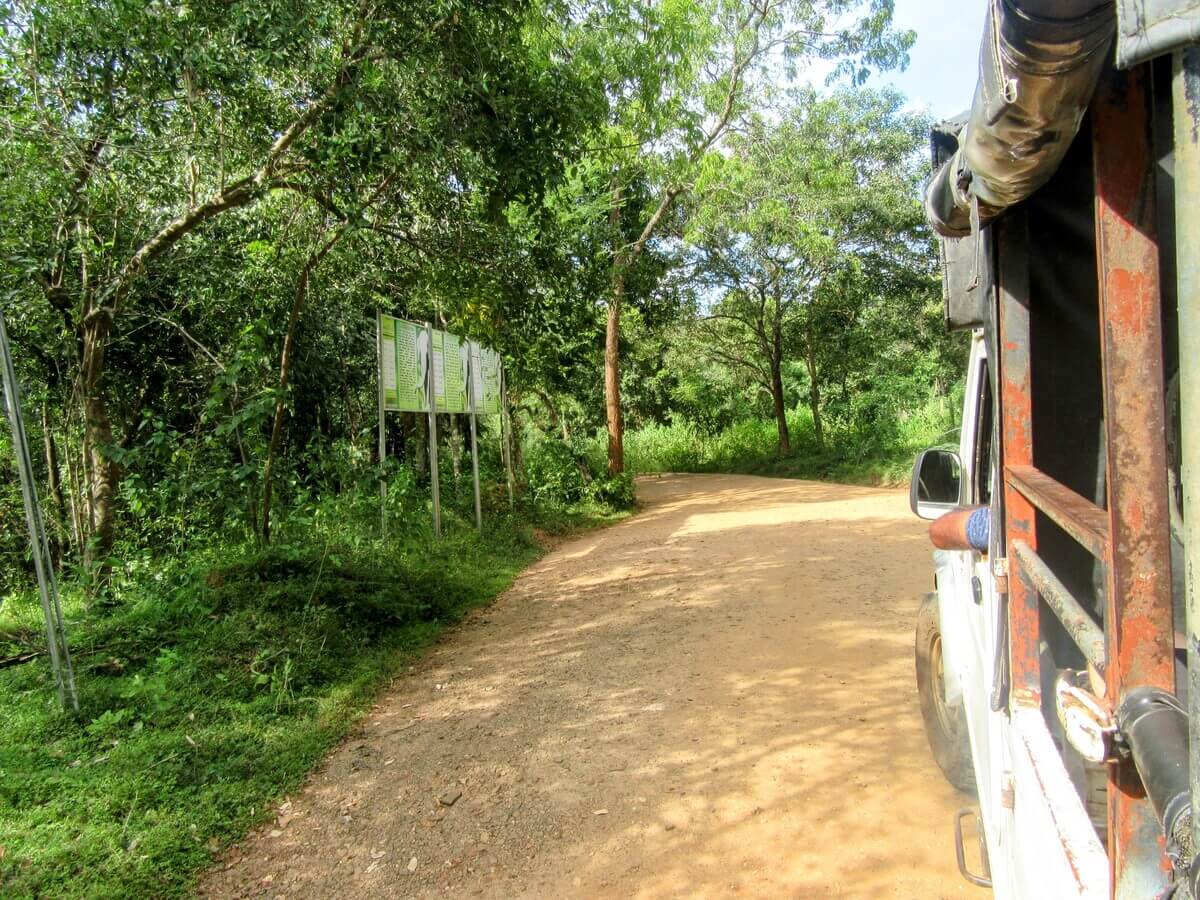
In national parks like Yala and Minneriya, choosing a responsible safari operator makes a real difference. Good drivers keep a respectful distance from animals, avoid crowding sightings, and prioritise observing natural behaviour rather than chasing the “perfect” photo. Leopards, elephants, and other wildlife should never feel pressured or surrounded, even if that means sightings are brief or from further away.
The same principles apply to whale watching on the south coast. Mirissa is one of Sri Lanka’s main departure points for whale-watching trips, particularly between November and April. If you choose to go, look for operators that limit the number of boats around whales, maintain appropriate distances, and don’t pursue animals for extended periods. When done responsibly, it can be a memorable way to see marine wildlife without causing harm.
More generally, travelling responsibly in Sri Lanka means being mindful of the places you visit and the communities you pass through. Supporting locally run guesthouses, restaurants, and guides helps ensure tourism benefits those who live there, while moving at a slower pace often leads to more meaningful experiences anyway.
Sri Lanka offers incredible wildlife encounters, but they’re at their best when approached with patience, respect, and realistic expectations.

And there we have it! I hope my 2 week Sri Lanka itinerary has given you some idea of how you might like to spend your time in this beautiful country. I loved every second of my time there, and I know you will, too.
Keep planning your Sri Lanka trip 🐘🌿
- How to spend two days in Kandy
- Cycling Anuradhapura’s ancient city
- Exploring Polonnaruwa by bike
- Best places to see wildlife in Sri Lanka
- Yala safari guide
- Yala vs Minneriya comparison guide
Thank you for reading! If you found this post useful, I’d be grateful if you would consider using the affiliate links below when planning your travels. I’ll make a small commission at no extra cost to you. This will help me to keep this blog running. Thanks for your support — Lauren.
Accommodation – Booking.com
Flights – Booking.com
Travel insurance – World Nomads
Excursions & tours – Viator
Outdoor gear – Decathlon
eSIMs – Airalo
Alternatively, you could buy me a coffee to say thanks!


About The Author
Lauren Pears is a freelance travel writer and blogger who writes about active adventure travel. She’s been blogging for almost 10 years, and has written for publications such as Lonely Planet, World Nomads, and Southeast Asia Backpacker.