
Let’s Talk About Responsible Wildlife Tourism

Wildlife encounters are some of the most wonderful moments you can have while travelling. Seeing an animal in its natural habitat can stay with you for a long time, shaping how you see the world and how you choose to move through it. But the reality is that not every wildlife encounter is ethical, and many attractions cause more harm than good behind the scenes.
This guide breaks down how to travel responsibly around wildlife, how to recognise red flags, and how to choose experiences that genuinely help the animals and ecosystems you care about. Whether you’re planning a safari, a whale-watching trip, or a visit to a wildlife sanctuary, this is everything you need to know to make choices you can feel good about.
All the knowledge here comes from years of learning, making mistakes, asking questions, and seeing firsthand how powerful responsible tourism can be when it actually supports animals rather than exploits them.
Disclaimer: Before diving any further, it’s worth saying that I’m not a biologist or a conservation scientist. I don’t claim expert status in that sense. What I do have is almost a decade of researching and writing about ethical wildlife travel, and a lot of time spent in places where you see the consequences of tourism — both good and bad — right in front of you. I’ve watched elephants swaying in chains at roadside attractions, and I’ve watched elephants roaming freely in national parks. Those contrasts stay with you.

Why responsible wildlife tourism is important
Responsible wildlife tourism matters because the stakes for many species are higher than ever. Around the world, animals are facing shrinking habitats, rising human pressures, and increasingly unstable ecosystems. Tourism, when it prioritises animal welfare and conservation, can be one of the few consistent income streams that protects both wildlife and the landscapes they depend on. Entrance fees, permits, and guided experiences often fund anti-poaching patrols, habitat restoration, research projects, and community jobs that give local people a real reason to keep wildlife safe.
There’s also the ethical side of it. Wild animals aren’t props, and the choices we make as travellers carry real consequences. Activities that involve touching, feeding, riding, or restraining wildlife may look harmless in photos, but they usually involve stress, pain, or long-term behavioural changes for the animals involved. Being a responsible traveller means choosing experiences that allow animals to behave naturally, without forcing them into situations created for entertainment.
On a broader level, wildlife tourism can shape how people view conservation. A respectful encounter with an elephant, whale, or mountain gorilla can genuinely change someone’s outlook, often leading to greater support for conservation efforts back home. The key is making sure those encounters aren’t harming the very species travellers are inspired by. When done well, wildlife tourism becomes a powerful tool: it protects ecosystems, supports communities, and educates visitors. When done poorly, it exploits animals and accelerates the problems they already face. Responsible choices help keep the balance firmly on the side of protection rather than harm.

Surely it’s better to just leave wildlife alone entirely?
In an ideal world, wild animals would be mostly undisturbed by humans. They’d roam huge, healthy habitats, and we’d admire them from a great distance without ever influencing their behaviour. Unfortunately, that isn’t the world we live in. Habitat loss, poaching, climate change, pollution, and human expansion have pushed many species into smaller spaces and more precarious situations. In some places, tourism is one of the few things funding their protection.
That’s why the answer isn’t as simple as “leave them alone.” When wildlife tourism is done responsibly, it can create real incentives for governments and local communities to protect habitats, stop poaching, and invest in long-term conservation. Well-managed safari parks, marine reserves, and sanctuaries rely heavily on visitor fees. Without that money, many wouldn’t exist at all. So the goal isn’t to avoid wildlife experiences; it’s to choose the ones that genuinely support the species you’re hoping to see.
Of course, this doesn’t mean every wildlife encounter is helpful. Plenty of attractions still rely on unethical practices, whether that’s touching, feeding, or forcing animals into stressful situations. The challenge is learning to tell the difference. Responsible wildlife travel should feel observational, not interactive. You’re a guest in their world, not a participant in their routine. When an experience centres on conservation, respects natural behaviour, and doesn’t place animals under unnecessary stress, tourism can become part of the solution rather than part of the problem.
Tourism has the power to protect or damage wildlife. Done well, it funds conservation projects, gives communities stable incomes, and creates safe habitats for endangered species. Done poorly, it fuels exploitation, encourages unnatural behaviour, and disrupts crucial ecosystems. So instead of thinking “should I avoid wildlife tourism entirely?”, a better question is “how can my visit have a positive impact?”
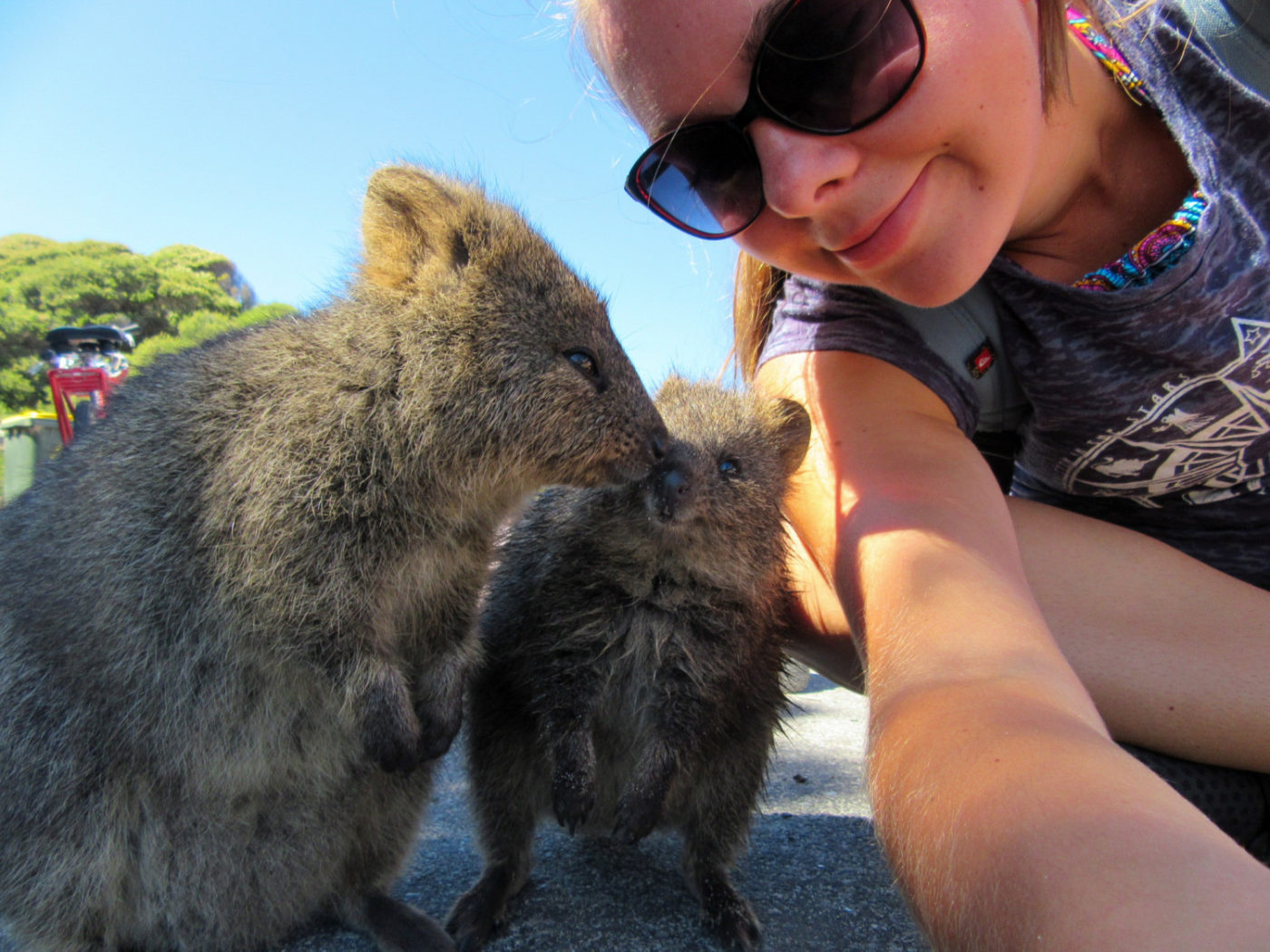
So what does “responsible” or “ethical” really mean?
Both terms get thrown around a lot, especially as travellers try to be more conscious about their impact, but they aren’t always explained well. At their core, responsible and ethical wildlife travel both come down to the same idea: making choices that prioritise animal welfare over entertainment.
Responsible wildlife travel is about the impact of your actions. It focuses on how your behaviour, your money, and your presence affect the animals and the ecosystem. It means choosing experiences that minimise disturbance, support conservation, and respect natural behaviour.
Ethical wildlife travel is about the principles behind those choices. It asks whether an experience aligns with basic standards of animal welfare: no forced interactions, no harmful training, no exploitation, and no activities that put animals under unnecessary stress.
In practice, the two go hand-in-hand. Being responsible means acting in a way that reflects your ethics; being ethical means choosing experiences that you can feel responsible about. Both encourage the same outcome: wildlife encounters that protect animals rather than harm them.
In a nutshell:
👎 If a wildlife experience has a negative effect on the animal, it’s irresponsible and unethical.
👍 If a wildlife experience has a neutral or positive effect on the animal, it’s responsible and ethical.

How to choose ethical wildlife encounters
Choosing ethical wildlife experiences isn’t always straightforward. Almost every company now markets itself as “responsible” or “ethical,” and many use those words purely because travellers respond well to them. The good news is that there are reliable ways to sort genuine conservation-focused operators from those using false branding.
Look for Accreditation and Certifications
Accreditation isn’t a perfect system, but it’s a useful starting point. Reputable operators often work with recognised wildlife or sustainability bodies. Depending on the region and the type of wildlife, this might include:
- Global Federation of Animal Sanctuaries (GFAS) — gold standard for true sanctuaries.
- B Corp certification — not wildlife-specific, but indicates strong ethical and environmental standards.
- Responsible Tourism or Sustainable Tourism certifications used by some tour companies and lodges.
- IAATO membership for Antarctica operators — ensures strict environmental rules.
- Marine stewardship or wildlife-safe certifications for whale-watching companies.
These certifications aren’t everything, but they do show that a company is meeting externally verified standards rather than making up its own.
Read Reviews Carefully (Especially the Negative Ones)
Reviews are one of the most telling parts of the research process. Look beyond the star rating and read what people actually say:
- Do reviewers mention overcrowding or boats getting too close to wildlife?
- Are animals described as “super tame,” “friendly,” or “great for photos”? (Wild animals shouldn’t act like pets.)
- Does anyone mention animals pacing, swaying, or looking distressed?
- Are there complaints about rushed experiences, unclear practices, or a focus on photo opportunities over education?
Negative reviews often reveal the details companies won’t mention on their websites.

Red Flags to Watch Out For
No matter how polished the marketing looks, there are a few clear signs that an experience isn’t ethical:
- Any opportunity to touch or hold wildlife — elephants, tigers, dolphins, sloths, monkeys, anything.
- Breeding programmes without a clear conservation purpose — often used to supply a constant stream of baby animals for photos.
- Guaranteed sightings — wildlife is unpredictable; guarantees often mean baiting or harassment.
- Animals performing tricks or unnatural behaviours — a sign of training or coercion.
- Large crowds allowed close to animals — creates stress and forces animals to change their behaviour.
- Staff unable to explain where the animals came from — vague stories usually mean something is being hidden.
- Cheap prices for “exclusive” encounters — true conservation work costs money; suspiciously low prices usually involve cutting corners.
Trust Your Instincts
This part is simple but surprisingly reliable: if something feels off, it probably is. Maybe it’s the atmosphere, the animals’ behaviour, or the sense that things are a little too orchestrated. Responsible experiences tend to feel calm, educational, and respectful. Unethical ones often feel busy, performative, or overly focused on getting visitors the perfect photo.
Ultimately, choosing ethical wildlife encounters is about slowing down, doing a bit of research, and remembering that your curiosity shouldn’t come at an animal’s expense. The right choices often lead to the most meaningful experiences where you feel like a quiet observer.
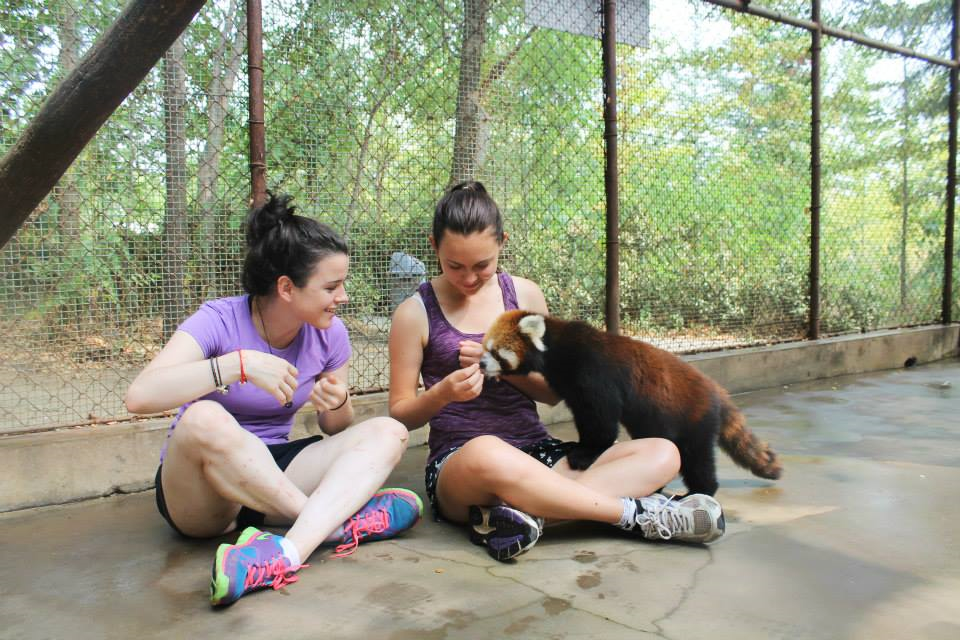
Common wildlife experiences (and what to look out for)
Wildlife travel comes in all shapes and sizes. Some experiences are designed to be observational and low-impact, while others exist purely for entertainment, often at the animal’s expense. Below is a breakdown of the most popular types of wildlife encounters, along with what makes them ethical, what raises red flags, and how to choose experiences that genuinely support conservation.
Whale and Dolphin Watching
Whale watching can be incredibly ethical when done properly, but it’s another industry where standards vary widely. Look for companies that follow strict no-approach rules, limit engine noise, cap group sizes, and maintain generous distances even when animals come closer on their own. Avoid any tour that advertises swimming with dolphins in the wild, as it disrupts natural behaviour and can cause long-term stress. Captive dolphin encounters should always be avoided.
Safaris
Well-managed safaris in national parks and protected reserves can be some of the most responsible wildlife experiences in the world. Park fees often fund anti-poaching, habitat restoration, and local employment. The most ethical safaris prioritise keeping wildlife wild: no chasing animals for better photos, no crowding, and no off-road driving unless strictly permitted. The best guides will remind you that the animals choose the terms. I’ve had some incredible wildlife encounters on safari, and truly feel that it’s one of the best ways to see animals.

Big Cat Encounters
Any experience that lets you touch, cuddle, walk with, or take photos with big cats is exploitative. These animals are often bred for tourism, taken from their mothers young, and kept in small enclosures. Ethical big cat tourism means seeing lions, leopards, and cheetahs in their natural environments, ideally within national parks or reserves where their behaviour isn’t manipulated for visitors. Avoid anywhere that uses “conservation” as a justification for physical interaction.
Animal welfare groups have reported cases — particularly with tigers — where animals appeared drugged, unresponsive, or unnaturally passive during photo sessions. In some parts of the world, sedating big cats before allowing tourists to pet or pose with them is an open secret.
Elephant Encounters
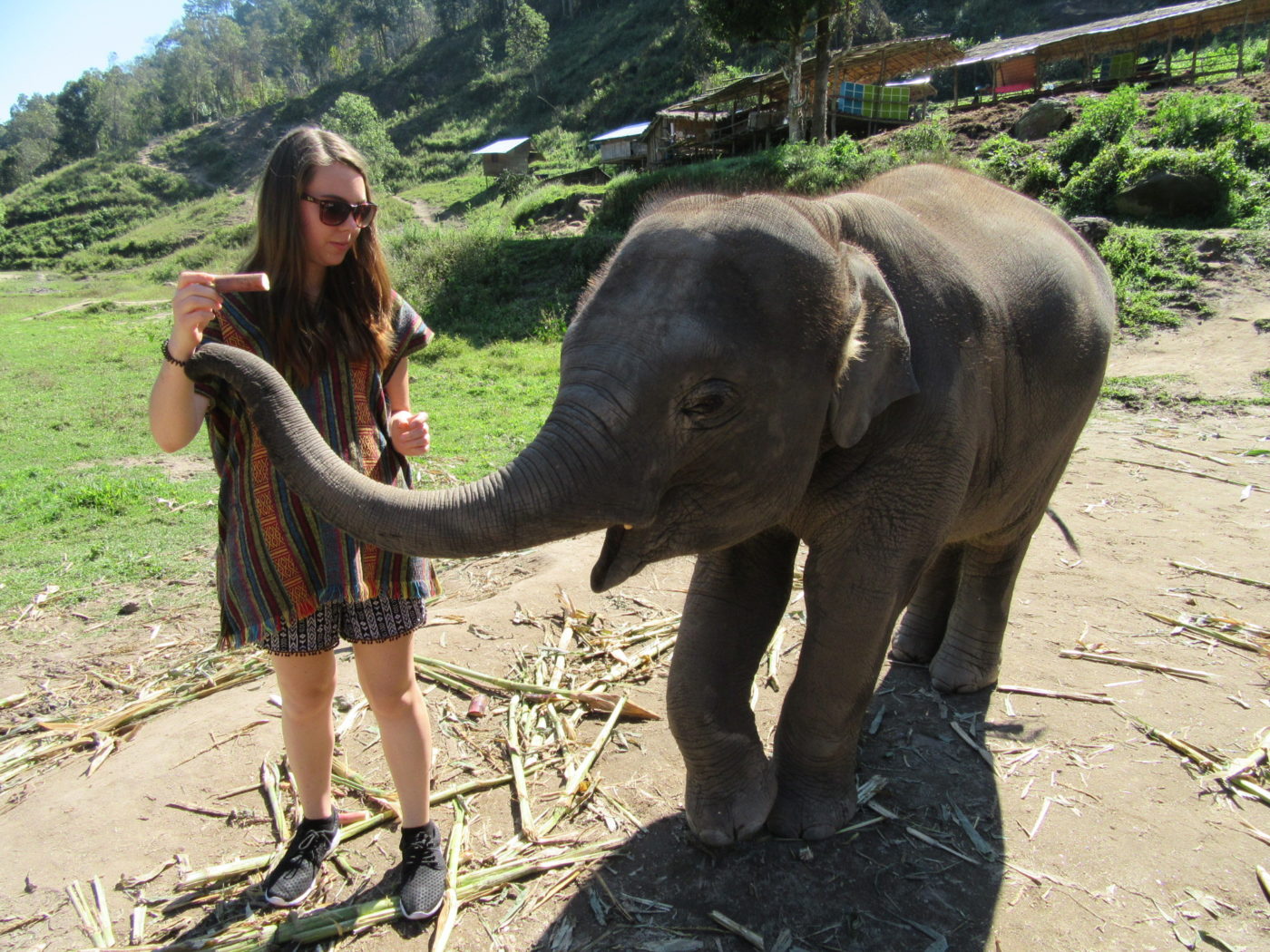
Elephants are easily one of the most misunderstood animals in tourism. Anything involving riding, bathing, touching, or performing is a huge no. These behaviours only happen after harsh training, and they place elephants under physical and psychological stress. Ethical experiences are hands-off and observational: watching elephants roam freely in protected reserves, learning from trained guides, and keeping a respectful distance. If an “elephant sanctuary” offers riding, cuddling, or photo-ops, it isn’t a sanctuary.

Gorilla & Primate Tracking
Tracking mountain gorillas in Rwanda, Uganda, or the DRC is one of the world’s most controlled wildlife experiences. Strict rules around distance, visitor numbers, hygiene, and time limits are designed to keep the gorillas safe from stress and disease. Permits can feel expensive, but the revenue goes directly into conservation and community projects. If you ever see an operator offering cheap, “up-close” primate encounters without regulation, avoid it entirely.
Polar Wildlife Cruises
Antarctica and the polar regions have some of the world’s strictest wildlife tourism rules, which is part of what keeps these environments so pristine. Reputable operators follow IAATO guidelines: no touching wildlife, strict distance rules, controlled landings, disinfecting boots, and strict waste protocols. The priority is minimising disturbance, especially during breeding seasons. Avoid cruises or tours that downplay environmental regulations or offer unusually high numbers of landings — loosened rules usually mean higher impact.
Snorkelling & Diving (Manta Rays, Sharks, Turtles, etc.)
In-water wildlife encounters should feel passive. You’re there to observe, not pursue. Ethical tours avoid touching, chasing, flash photography, and feeding. Feeding wildlife (even indirectly through bait) changes behaviour and can make animals more vulnerable to threats. Look for operators with small groups, clear briefings, and a focus on conservation.
How to make sure your money supports conservation
One of the most powerful things you can do as a traveller is choose where your money goes. Wildlife tourism isn’t automatically good or bad. It depends entirely on how that money is used. Some attractions exist purely for profit, often at the expense of the animals. Others genuinely protect habitats, fund rangers, and support communities that live alongside wildlife. The trick is learning how to tell the difference.
A good starting point is to look at who benefits. Ethical wildlife experiences are usually run in partnership with local communities or national parks, where a portion of your fee is ring-fenced for conservation. Transparent pricing is a good sign: reputable operators will openly explain how money is distributed, whether that’s funding anti-poaching patrols, habitat restoration, or community-led projects. If a company avoids answering questions or offers vague promises of “supporting conservation,” it’s usually worth being sceptical.
You can also look at the experience itself. Responsible operators limit group sizes, follow strict wildlife-viewing rules, and focus on observation rather than interaction. They don’t guarantee sightings or push animals into uncomfortable situations just to justify the price tag. In contrast, businesses that promise close contact, photo opportunities, or “hands-on” encounters are generally prioritising profit over welfare.
Finally, don’t underestimate the value of doing a bit of pre-trip research. Reading reviews, checking whether an operator is certified by credible bodies, and looking for transparent conservation reports can tell you a lot. And if something feels off when you arrive, such as animals behaving unnaturally, enclosures that seem too small, or staff unable to answer basic welfare questions, then it’s completely fine to walk away. Your money is more impactful when it goes somewhere that deserves it.

How to avoid fake sanctuaries
Wildlife sanctuaries exist to give animals a safe, permanent home when they can’t survive in the wild. Many of the animals you see in sanctuaries come from awful situations: circus entertainment, riding camps, roadside zoos, illegal wildlife trade, or private ownership. Once an animal has been trained, tamed, or kept in captivity for long periods, releasing it into the wild isn’t realistic. A sanctuary gives these animals somewhere to live out their lives with dignity, space, and proper care.
However, as responsible wildlife travel becomes more popular, a lot of companies are trying to cash in on the trend. Some genuinely improve their practices; others simply change their marketing. It’s surprisingly easy for a business to slap the words “ethical,” “rescue,” or “sanctuary” on a sign without actually changing how they treat their animals. This kind of greenwashing is one of the biggest issues in wildlife tourism, and it makes it harder for travellers to tell which places are doing the right thing.
Genuine sanctuaries typically:
- Refuse direct contact or forced interaction with wildlife
- No riding, bathing, cuddling, posing, performing, etc
- Provide large, natural environments
- Prioritise rescue, rehabilitation, and lifelong care
- Avoid breeding unless scientifically justified
- Are happy to share clear welfare standards and funding transparency
- Place the animals’ needs above visitor numbers or photo opportunities
It also helps to pay attention to the animals themselves. Signs of stress, such as pacing, swaying, lack of shade, cramped enclosures, or visible injuries, suggest poor welfare. A good sanctuary prioritises privacy, natural behaviour, and environments that feel spacious and enriched. If a facility claims to be ethical but still offers rides, baths, shows, or close-contact photos, it’s not a sanctuary. No matter what the sign says.
Ultimately, trust your instincts. Ethical sanctuaries tend to feel quiet and respectful, with animals that aren’t “on show.” You might not get the perfect photo, but you’ll be supporting a place that genuinely puts welfare first.
Frequently asked questions
Is all captive wildlife tourism unethical?
Not always. Captive wildlife tourism is unethical when animals are kept for entertainment, but true sanctuaries and rehab centres caring for animals that can’t live in the wild can be ethical. It depends on the purpose and welfare standards, not captivity alone.
Is feeding wildlife ever okay?
Feeding wildlife is almost never okay. It changes natural behaviour, makes animals dependent on humans, and can put both you and the animal at risk. Learn more about the consequences of feeding wildlife on this US National Parks page.
Are zoos ethical?
Some zoos are ethical, but many aren’t. The good ones focus on conservation, research, and large, enriched habitats. The less ethical ones exist mainly for entertainment and keep animals in small, unstimulating enclosures. So the question isn’t “are zoos ethical?” but “is this zoo ethical?”.
Are animal cafes ethical?
Animal cafes are usually not ethical. Even when they look cute or well-run, the animals are kept in unnatural, often stressful environments with constant human interaction and little opportunity to rest or behave normally. The rare exceptions are rescue-focused cafes where domesticated animals, such as cats, can choose to interact. But anything involving exotic wildlife should always be avoided (such as capybara cafes in Japan).
What about when I come across wildlife naturally while hiking, etc?
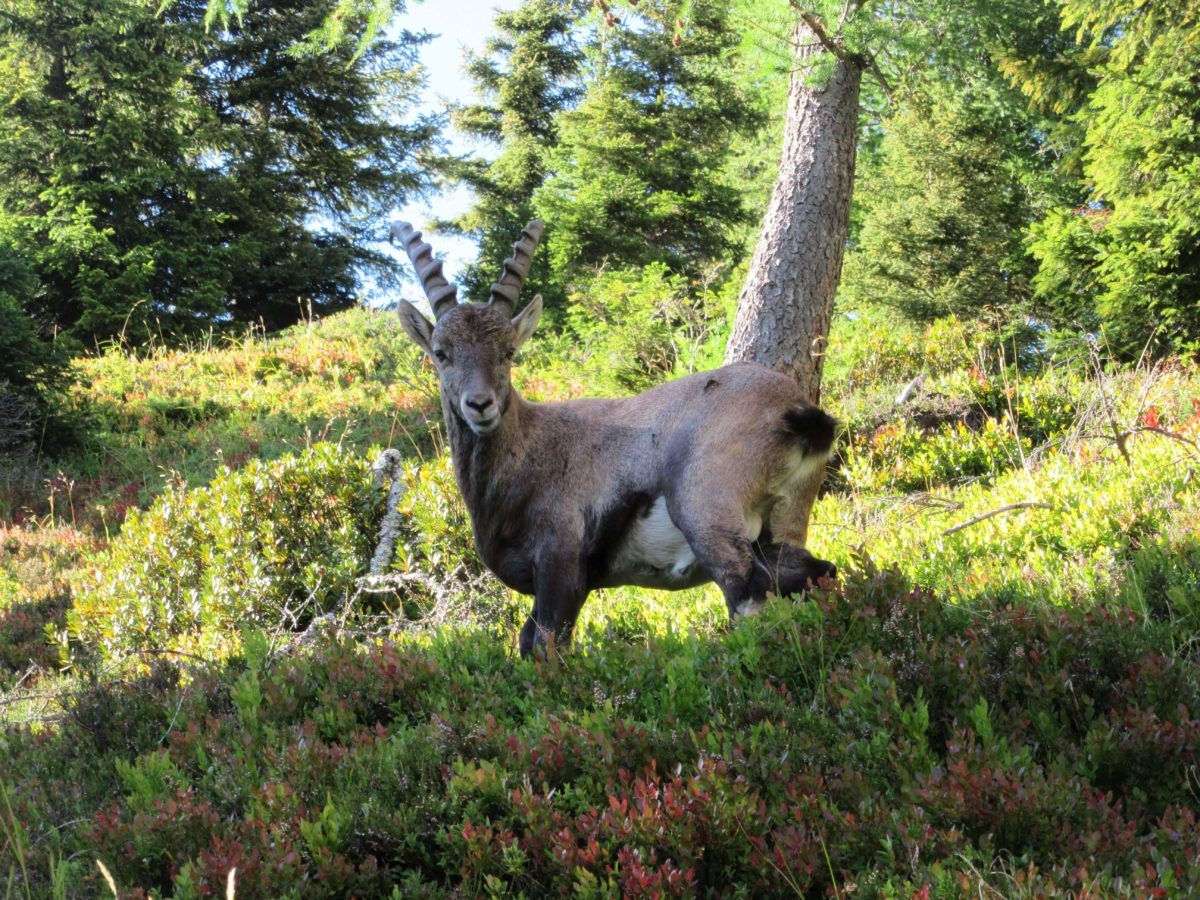
If you come across wildlife naturally, the best thing you can do is keep your distance and let the moment unfold on its own terms. Stay quiet, avoid sudden movements, and never try to feed or approach the animal. If the animal changes its behaviour because of you, you’re probably too close.
Final thoughts
Ethical wildlife tourism is about respect. Respect for animals, ecosystems, and the communities that protect them. With a thoughtful approach and a little research, you can experience incredible wildlife moments without causing harm. The choices you make matter, and they help shape the future of wildlife tourism worldwide. Use this guide as your base for every wildlife experience you plan. And remember: if an activity feels wrong, it probably is.
Read more about responsible wildlife travel 🐘
- Why Elephant Riding Is Cruel (+ Ethical Alternatives)
- Is Swimming With Dolphins Ethical?
- Is Camel Riding Ethical?
- The Truth Behind Luwak Coffee
Thank you for reading! If you found this post useful, I’d be grateful if you would consider using the affiliate links below when planning your travels. I’ll make a small commission at no extra cost to you. This will help me to keep this blog running. Thanks for your support — Lauren.
Accommodation – Booking.com
Flights – Booking.com
Travel insurance – World Nomads
Excursions & tours – Viator
Outdoor gear – Decathlon
eSIMs – Airalo
Alternatively, you could buy me a coffee to say thanks!


About The Author
Lauren Pears is a freelance travel writer and blogger who writes about active adventure travel. She’s been blogging for almost 10 years, and has written for publications such as Lonely Planet, World Nomads, and Southeast Asia Backpacker.


